ARMY 2025 (Thread)
The Army’s Future Soldier Guide has been described as the most far reaching transformation of the Army in a generation. After more than 12 years of austerity, It's a much needed step in the right direction.
1/25
The Army’s Future Soldier Guide has been described as the most far reaching transformation of the Army in a generation. After more than 12 years of austerity, It's a much needed step in the right direction.
1/25

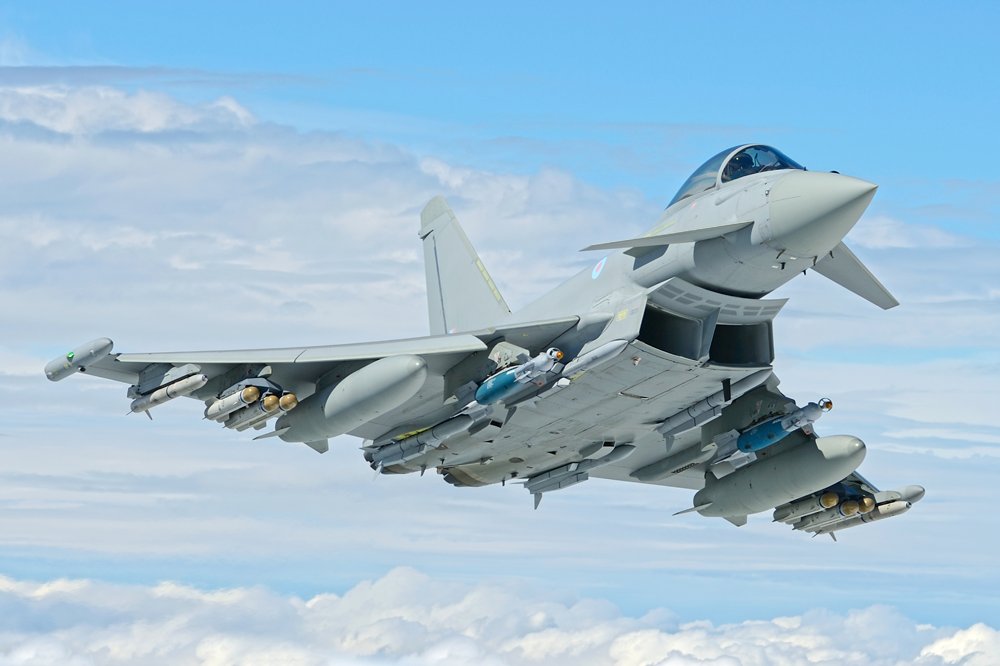
By way of introduction, there are 4 implicit beliefs that underpin not only the Army’s future structure, but UK defence as a whole. First, as an island nation, Britain is dependent on its Navy and Air Force, and therefore needs to prioritise them above its peacetime Army.
2/25
2/25
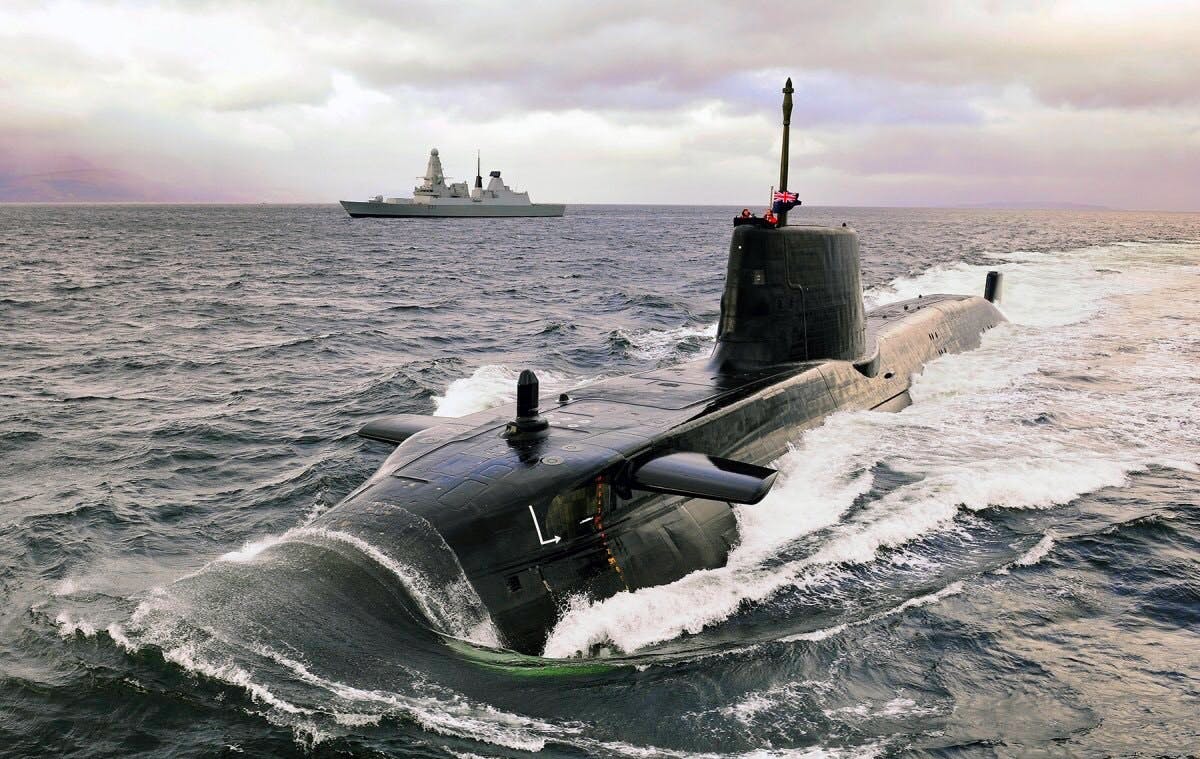
Second, as a nuclear power, Britain’s ballistic missile submarine fleet is the ultimate guarantor of UK security, but if we don’t maintain our conventional forces at a reasonable level, there is a risk of needing to resort to nuclear weapons far sooner than we might want.
3/25
3/25

Third, historically, Britain has tended to deploy forces within an expeditionary context to deter or counter threats at distance before they turn-up on our doorstep. The BEF was a vital element in buying time at the start of both WW1 and WW2.
4/25
4/25
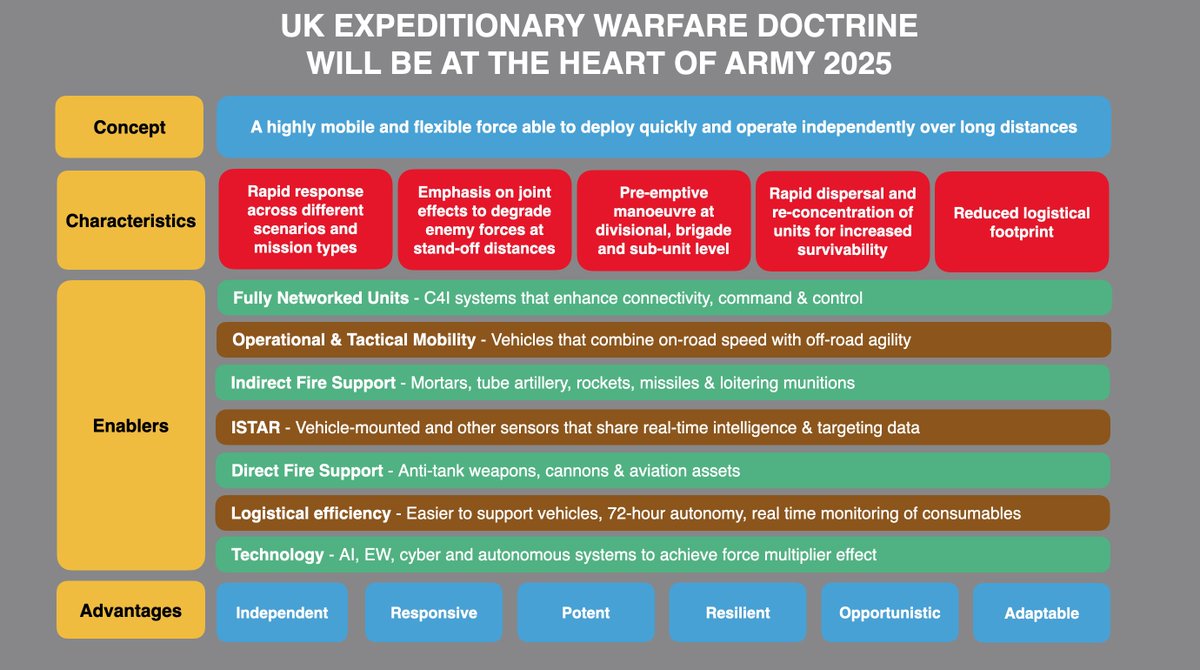
Fourth, while the Army needs to be rapidly deployable within Europe or to global trouble spots, it still needs to be able to defend the UK domestically. It has been a long time since we needed to expel invading forces, but it’s always possible we might need to do so again.
5/25
5/25

Against this backdrop, the Army must determine how it punches above its weight when bounded by very real resource constraints, at a time when it needs to prove it can live within its means, and reliably deliver expensive and essential equipment programmes.
6/25
6/25
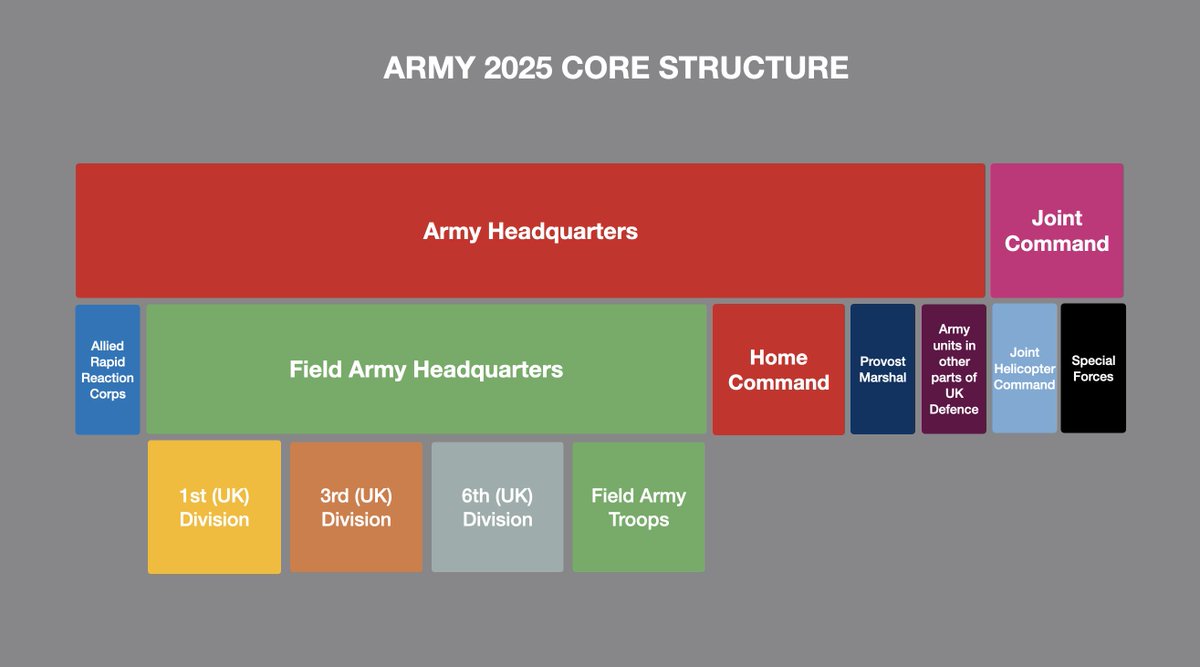
The resulting Army 2025 high level strategy divides the force into three principal components:
1. The Allied Rapid Reaction Corps HQ
2. The Field Army
3. Home Command
These elements are supported Joint Command to which the Army contributes helicopters and SF.
7/25
1. The Allied Rapid Reaction Corps HQ
2. The Field Army
3. Home Command
These elements are supported Joint Command to which the Army contributes helicopters and SF.
7/25
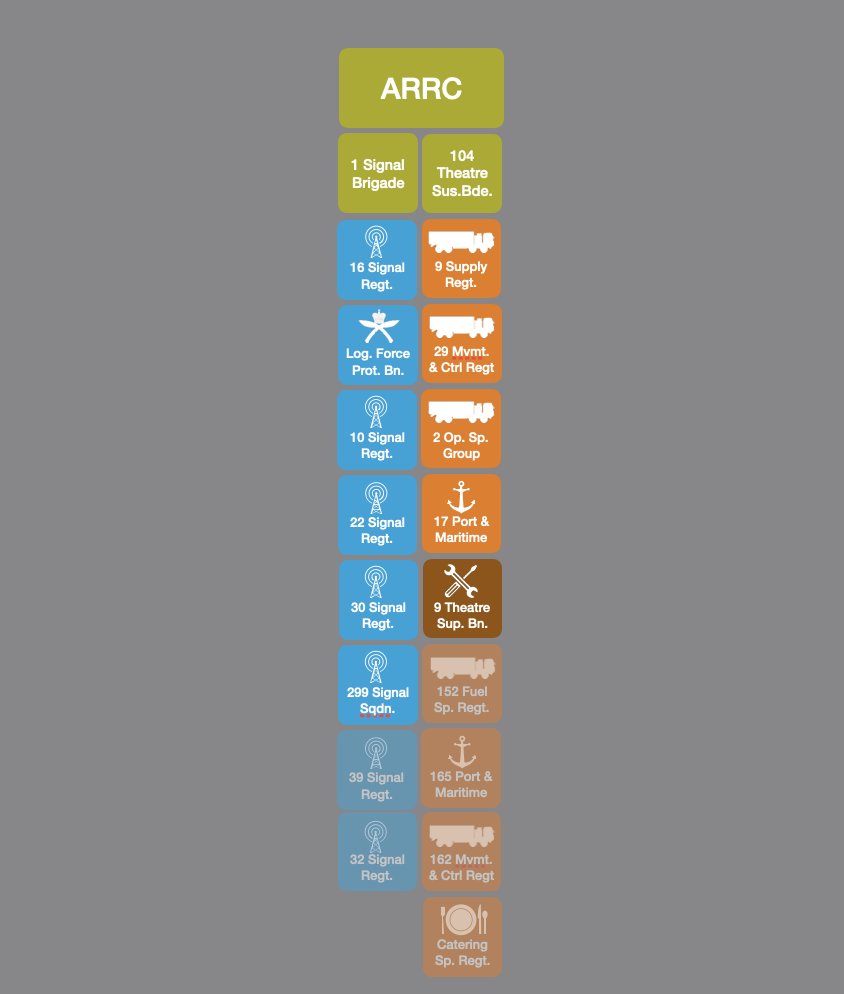
The Allied Rapid Reaction Corps (ARRC) HQ is an independent UK contribution to NATO to provide leadership and structure that would bind a large coalition force together and make it immediately effective should there be a major conflict.
8/25
8/25
The Field Army is the UK’s expeditionary element, while Home Command would be responsible for domestic defence and would rally Army Reserve units.
9/25
9/25
The Field Army has been reorganised into three divisions, plus a supporting formation, Field Army Troops. Conceptually, this gives the Army a corps structure with Field Army Troops providing an additional array of Combat Support (CS) and Combat Service Support (CSS) assets.
10/25
10/25

The basic structure is hard to fault. It sets a minimum requirement for a small peacetime army that is affordable and sustainable, especially when supported by an army reserve that allows it to expand rapidly in a time of national emergency.
11/25
11/25
The real test of Army 2025 is not the basic structure, even though this is sound, but the total number and quality of the deployable units within it. When the composition of each division is explored, the plan can be seen for what it is: a foundation on which to build.
12/25
12/25
1 (UK) Division is a light division with a light mechanised infantry brigade combat team (BCT), a light role infantry BCT, a Security Force Assistance Brigade and support elements. Only the light mech inf brigade has the CS / CSS assets needed to make it fully deployable.
13/25
13/25

1 (UK) Division is ideal for supporting United Nations missions, e.g. deployments to Afghanistan and Mali. With a large number of infantry battalions, it should be able to support a brigade-level deployment for at least two years based on a six-month rotation.
14/25
14/25
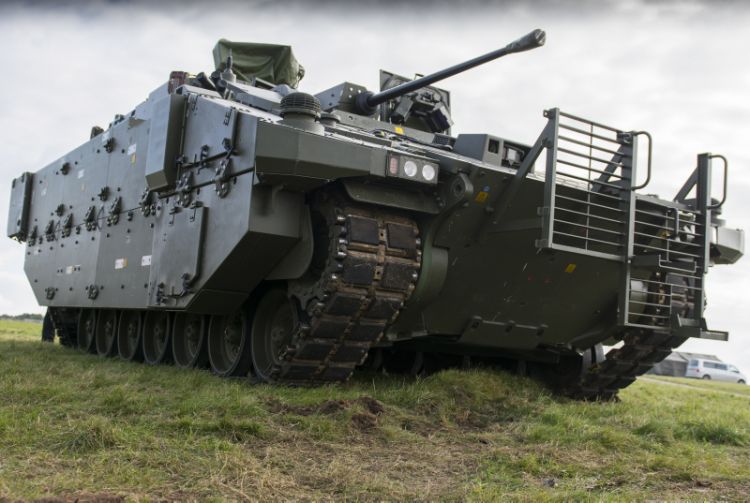
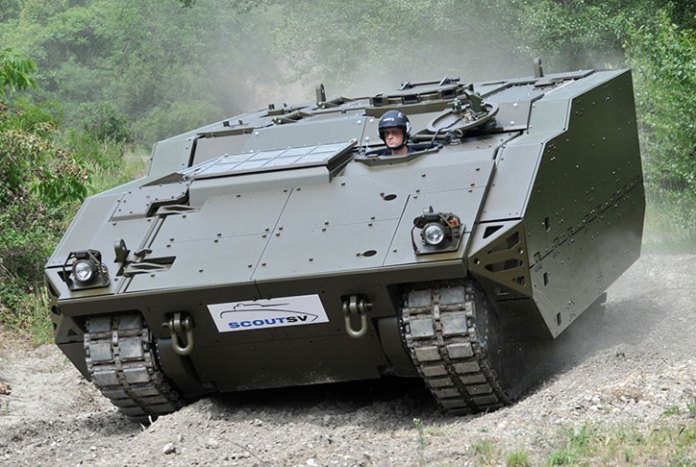
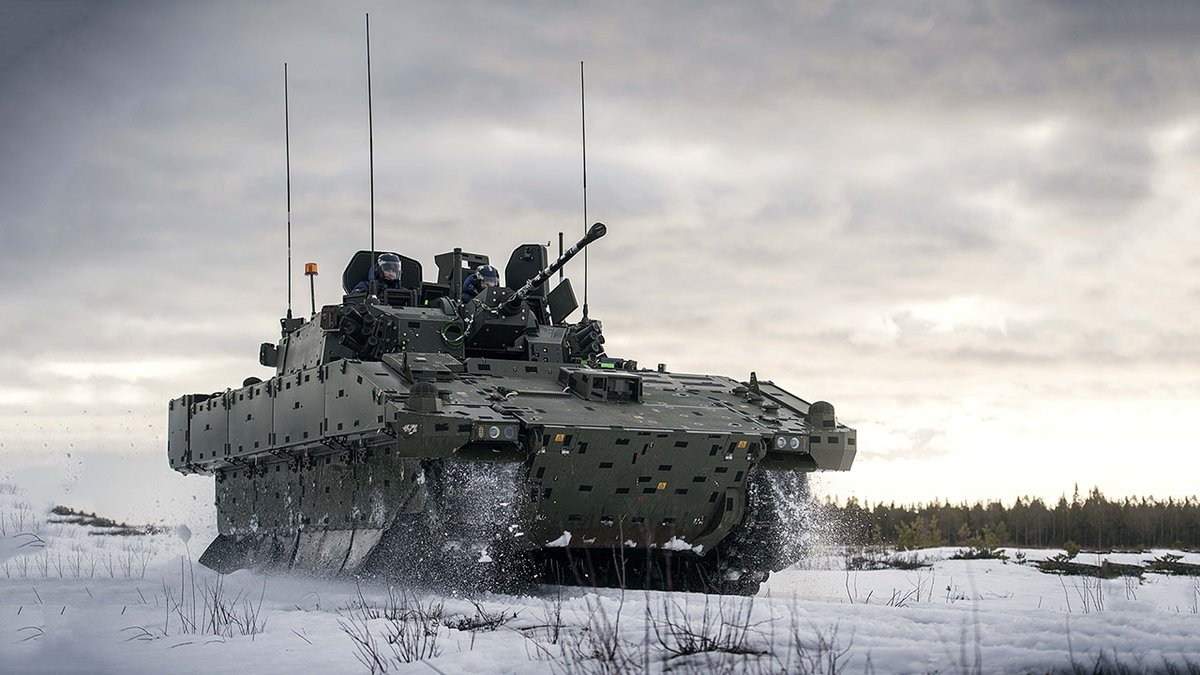
3 (UK) Division is a peer war fighting force with two deployable armoured BCTs, plus a Deep Strike Recce BCT, suited to countering Russia in Europe. The latter has two Ajax regiments plus deep fires assets, so is more of a supporting artillery brigade than a combat BCT.
15/25
15/25

6 (UK) Division is not a proper war fighting division. It supports the 77th Brigade (Information Manoeuvre) plus the Army Special Operations Brigade (Ranger Regiment permanent engagement globally) and is configured for "grey zone" rather than conventional operations.
16/25
16/25

Strangely, 16 Air Assault BCT is part of Field Army Troops rather than sitting within one of the primary combat divisions, but is fully deployable with all necessary CS and CSS assets. This provides a very high readiness (VHR) force for Operation Pitting-type deployments.
17/25
17/25
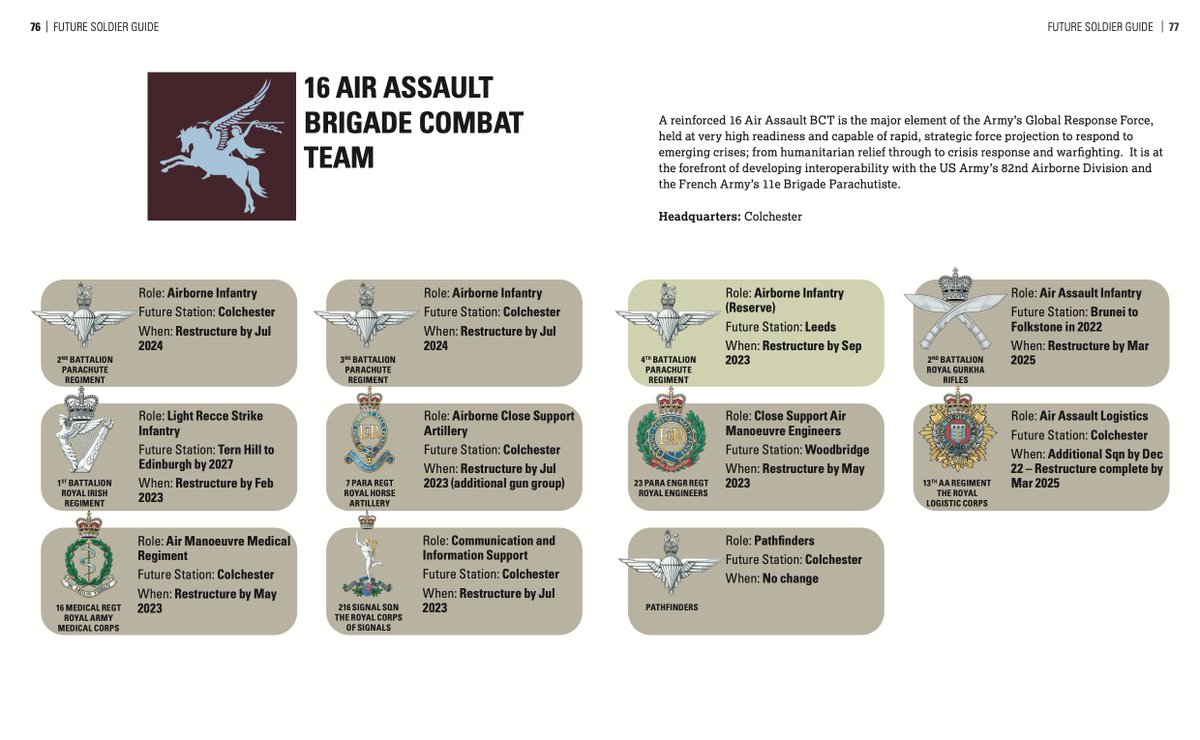
In total, the Army 2025 structure yields FOUR deployable brigades. There is no way to sugar coat this, but if a deployable brigade nominally requires 5,000 personnel, we really ought to able to generate more than this, even with an army that has just 72,500 soldiers.
18/25
18/25
The other serious issue is the Regular Army's dependency on the Army Reserve (AR) to deploy. The AR should be able to provide additional CS / CSS assets to make more regular brigades deployable, but its real role is to ensure the Army can grow quickly in an emergency.
19/25
19/25
So, while the core Army 2025 structure is a great start, it is only a first step. We must now look at every component unit to assess its contribution to the force as a whole. For example, do we really need 4 engineer infrastructure support regiments and 3 EOD regiments?
20/25
20/25
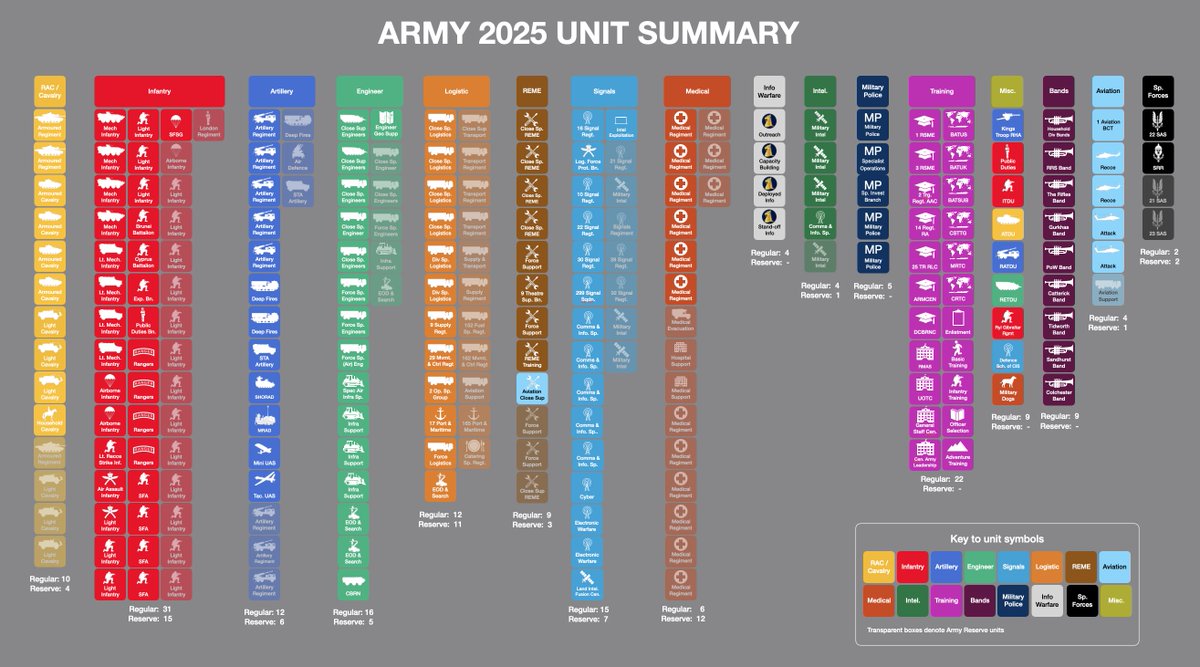
We also need to plug the gaping holes. We have 31 Regular Army infantry battalions, but with 4 SFA battalions, 4 Ranger Battalions, and a Para battalion detached to support SF, we effectively have only 22 proper infantry battalions.
21/25
21/25
The Future Soldier Guide emphasises the need to fight the Deep Battle over the Close Battle, but we simply aren't investing in sufficient tube, rocket and missile artillery. Nor do we have enough air defence assets.
22/25
22/25

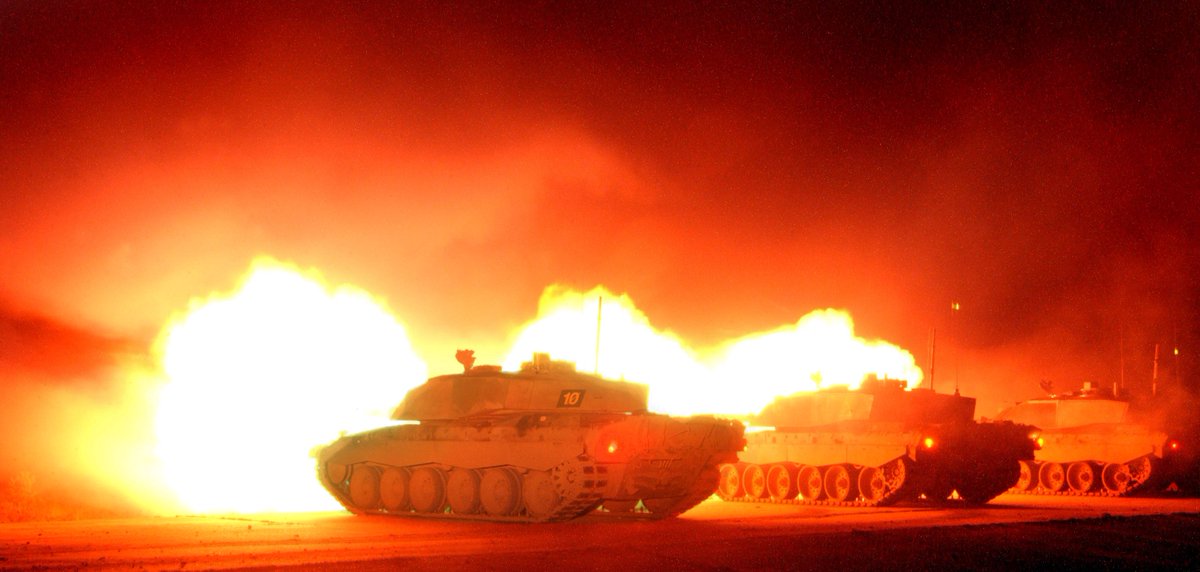
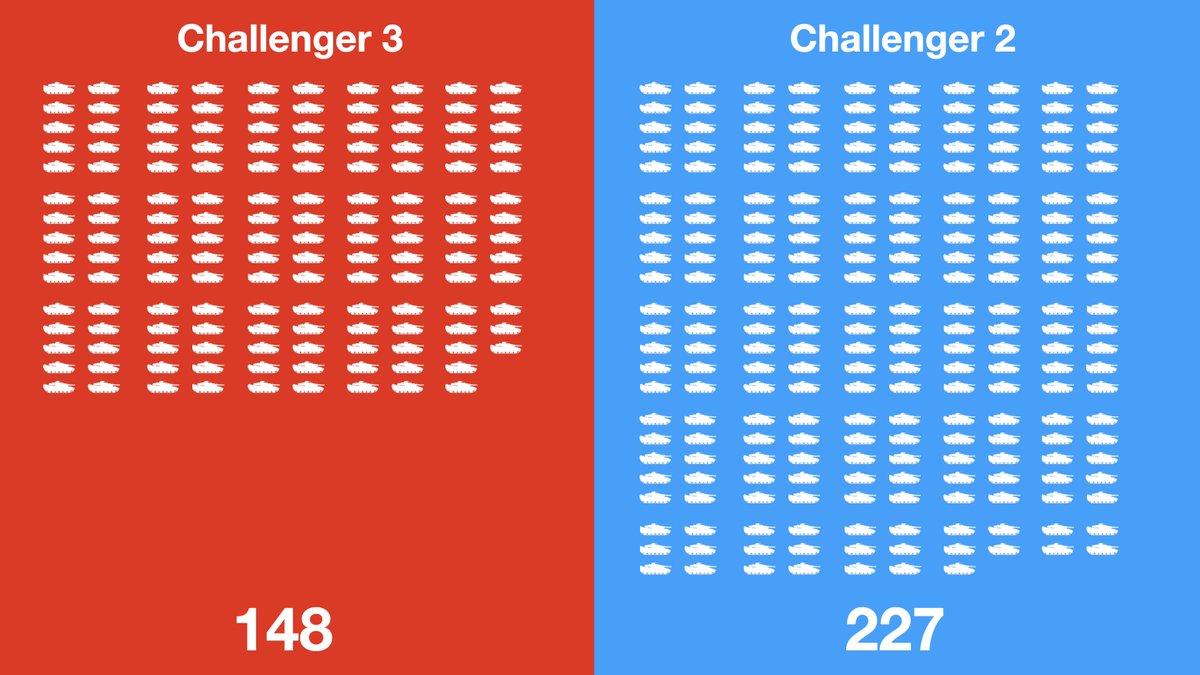
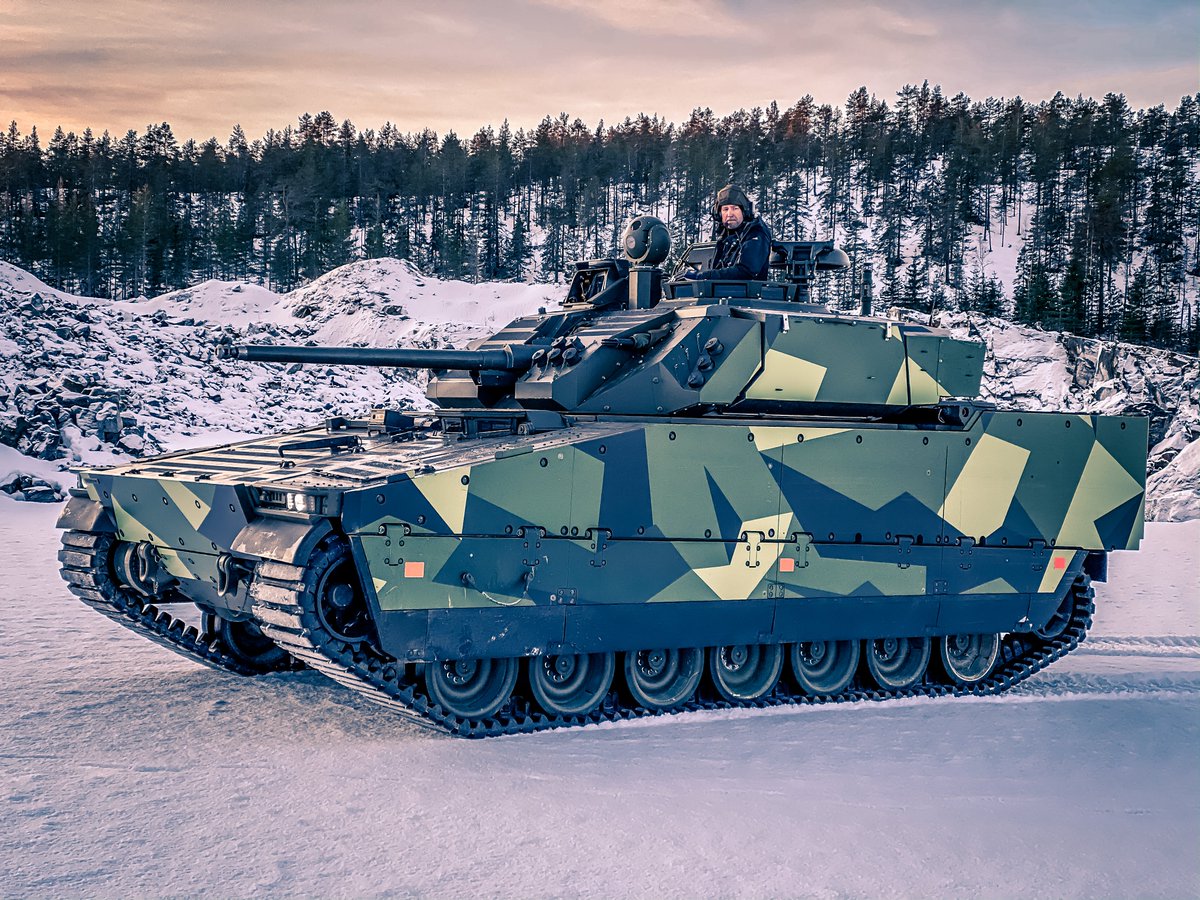
We will have to fight the Close Battle whether we like it or not. In any event, we will need forward elements capable of screening our deep fires assets. As good as Boxer is, we still need tracked infantry fighting vehicles, and more than 148 main battle tanks.
23/25
23/25
A further reorganisation of the Army will be necessary, but cannot happen before we acquire the additional equipment it needs. Ultimately, France and Italy both manage to generate more brigades than Britain. The UK Army should be able to generate 6 deployable brigades.
24/25
24/25

The need to invest further is a direct consequence of not regenerating the Army since before 1990. If Britain can waste £37 billion on a track and trace system that doesn’t work, spending a fraction of that to beef-up the Army is not unreasonable or unaffordable.
25/25
25/25
@wavellroom @jc_defence @1UKDivision @3UKDivComdSM @pinstripedline @thinkdefence @TotherChris @FTusa284 @3PARA @maj_retd_fox @icsc_l @ArmyComd16X @RACTrgRegt @Jack_Watling @Justin_Br0nk @warmatters @EdOBrien @EngageStrategy1 @harry_lye @UKDefJournal @AndyNetherwood @thepagey
• • •
Missing some Tweet in this thread? You can try to
force a refresh