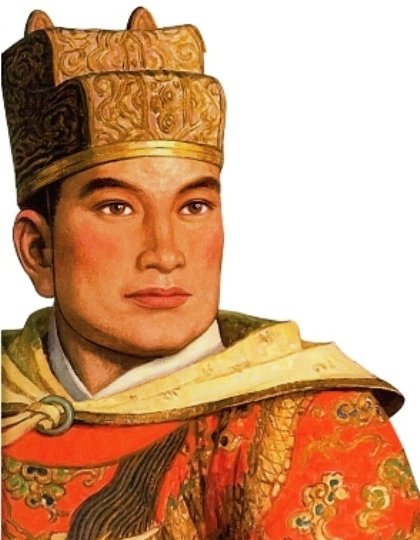
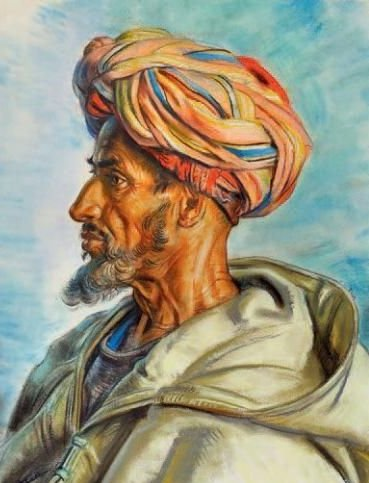
1) Zheng He (郑和) (d.1435), was a Chinese Muslim explorer, diplomat, and fleet admiral during China's early Ming dynasty. Zheng was a 30th generation descendant of the Prophet Muhammad (P.B.U.H). Zheng led China to become the superpower of the Indian Ocean, in the 15th CE...1/7
2) Zheng He was a great-great-great-grandson of Sayyid Ajjal Shams al-Din Omar, who served in the administration of the Mongol Empire and was the governor of Yunnan during the early Yuan dynasty. Sayyid Ajall was a 26th generation descendant of the Prophet Muhammad (P.B.U.H)..2/7
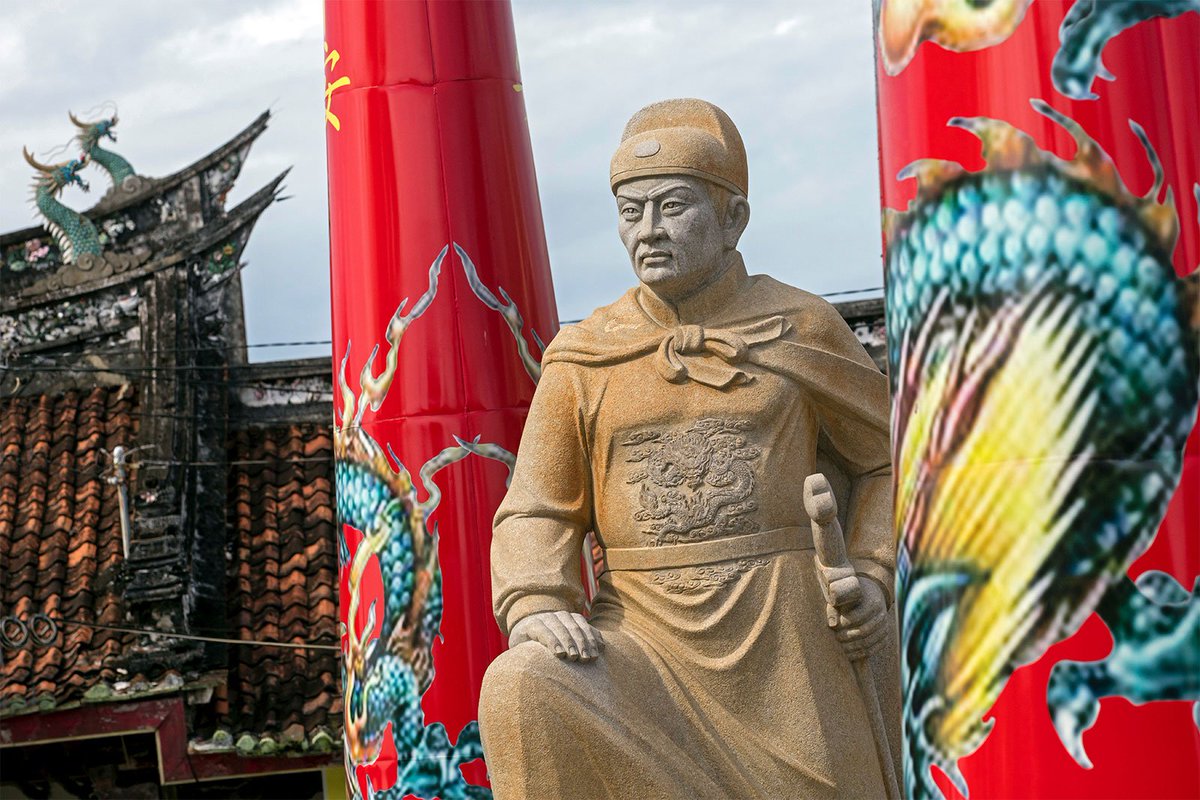
3) Zheng He had a strong desire and religious duty to make the pilgrimage to the holy city of Mecca. By successfully reaching Mecca, Zheng He was instrumental in forging ties between the Ming Dynasty and the Islamic countries of the Middle East...3/7 #Islam
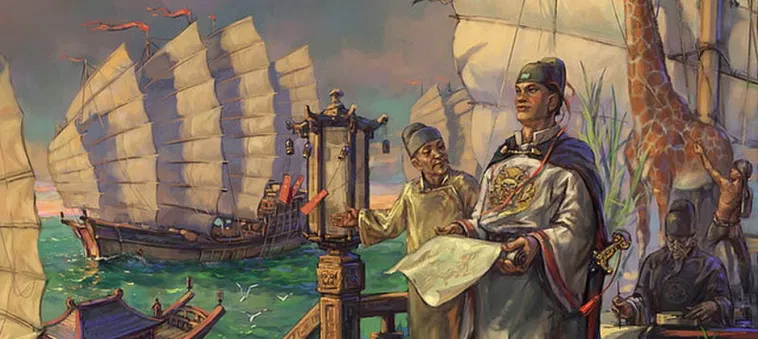
4) The Foundation for Science Technology and Civilisation retraces the route of China’s 15th CE admiral, Zheng He, who ranks as perhaps the country’s foremost adventurer. A Muslim and a warrior, Zheng helped transform China into the region’s, and superpower of his time...4/7
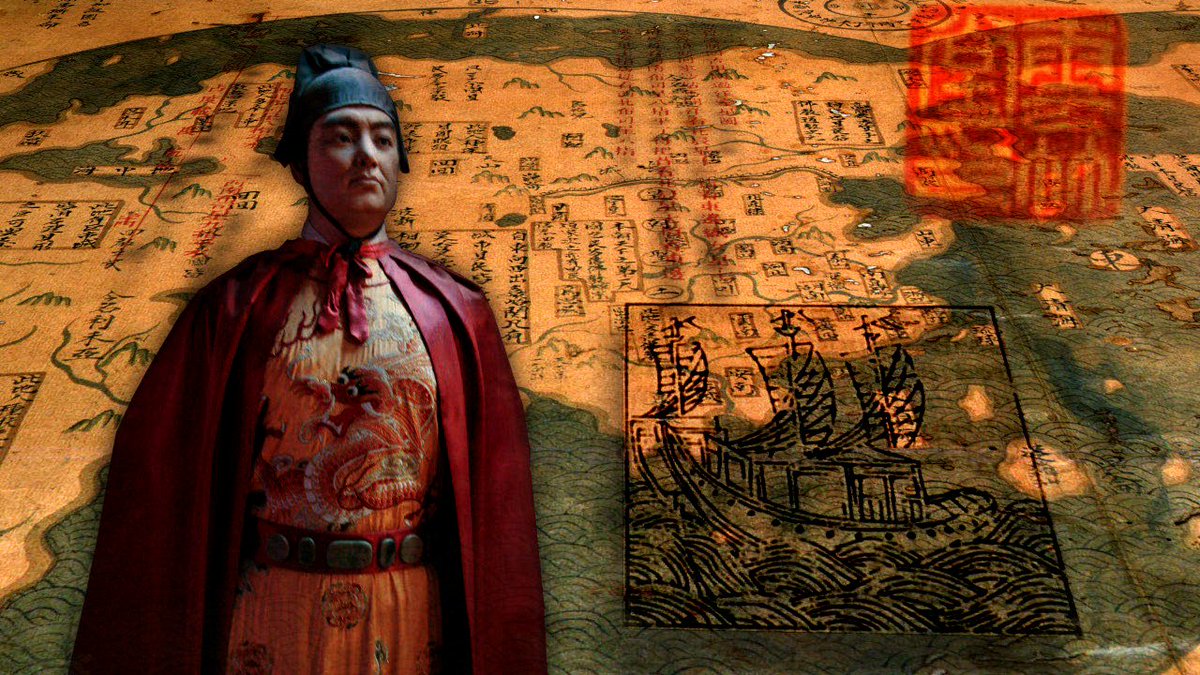
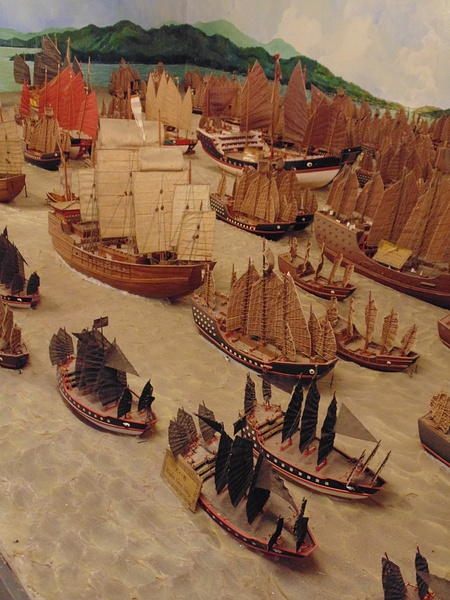
5) Zheng He’s first fleet included 27,870 men on 317 ships, including sailors, clerks, interpreters, soldiers, artisans, and medical men. On board were large quantities of cargo including silk goods, porcelain, gold and silverware, copper utensils, and cotton goods...5/7
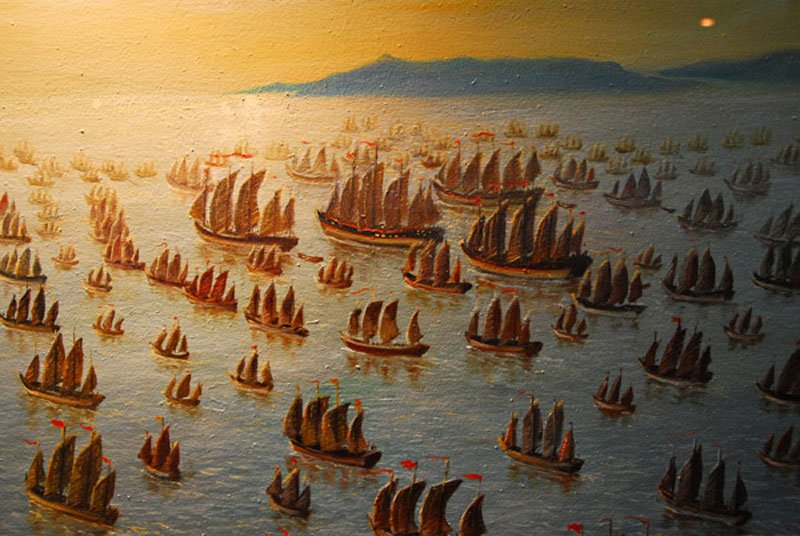
6) In 1417, after two years in Nanjing and touring other cities, the foreign envoys were escorted home by Zheng He. On this trip, he sailed down the east coast of Africa, stopping at Mogadishu, Matindi, Mombassa, and Zanzibar, and may have reached Mozambique...6/7
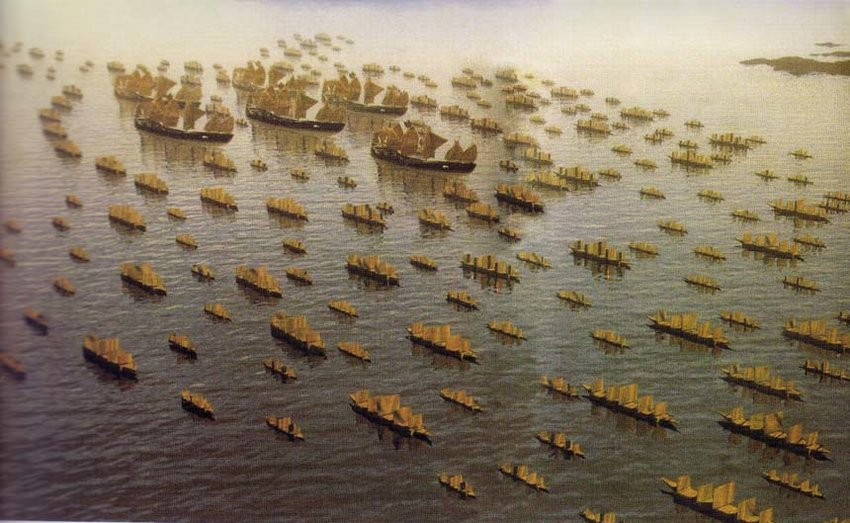
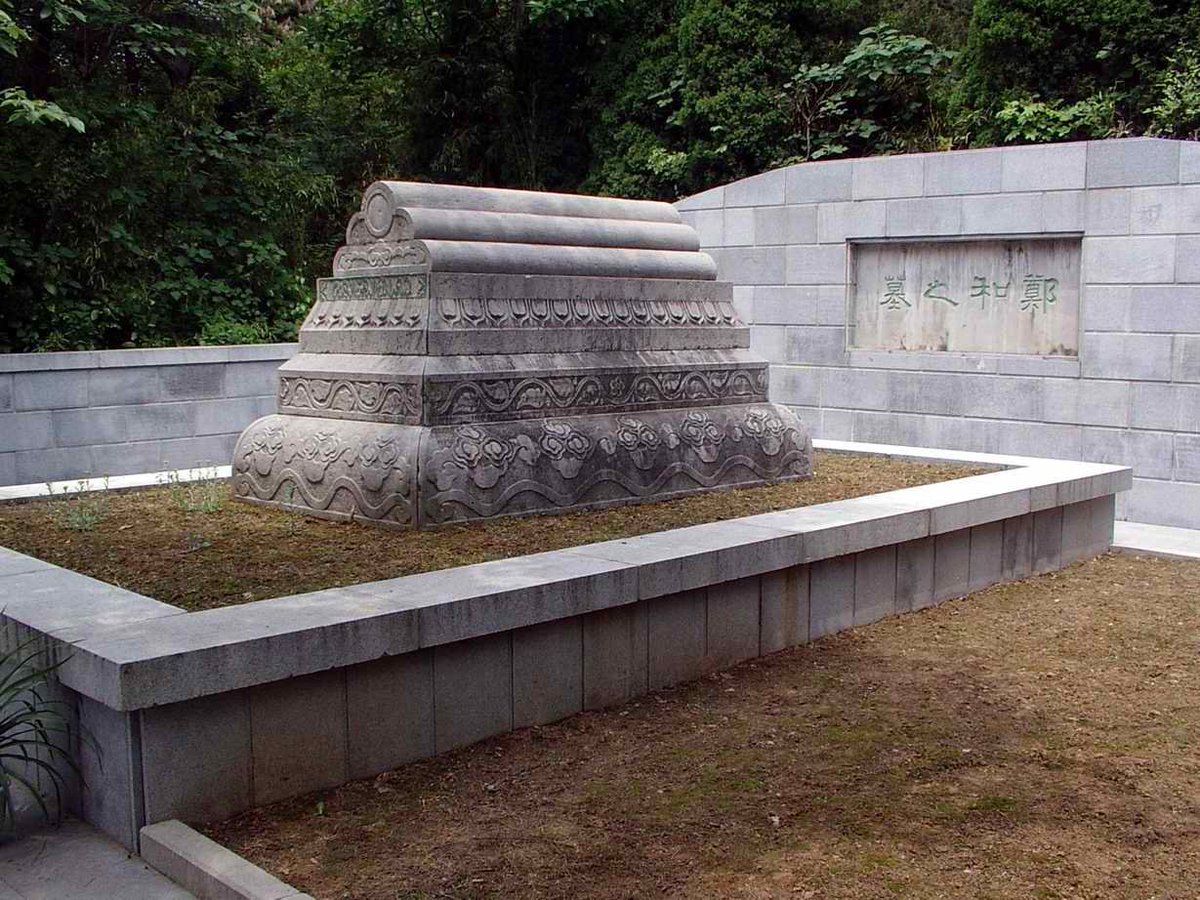
7) Zheng He is arguably China’s most famous navigator. Starting from the beginning of the 15th Century, he traveled to the West seven times. For 28 years, he traveled more than 50,000 km. Zheng He died in 1433 and was buried in Nanjing...7/7 #Islam
• • •
Missing some Tweet in this thread? You can try to
force a refresh

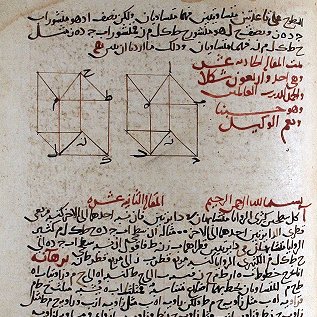
1) Muḥyī al‐Dīn Maghribī (d.1283), was a Muslim astronomer and mathematician from Andalusia (Spain). He is most known for his works in trigonometry, Book on the theorem of Menelaus, Treatise on the calculation of sines. He also wrote three commentaries on Ptolemy's Almagest..1/6
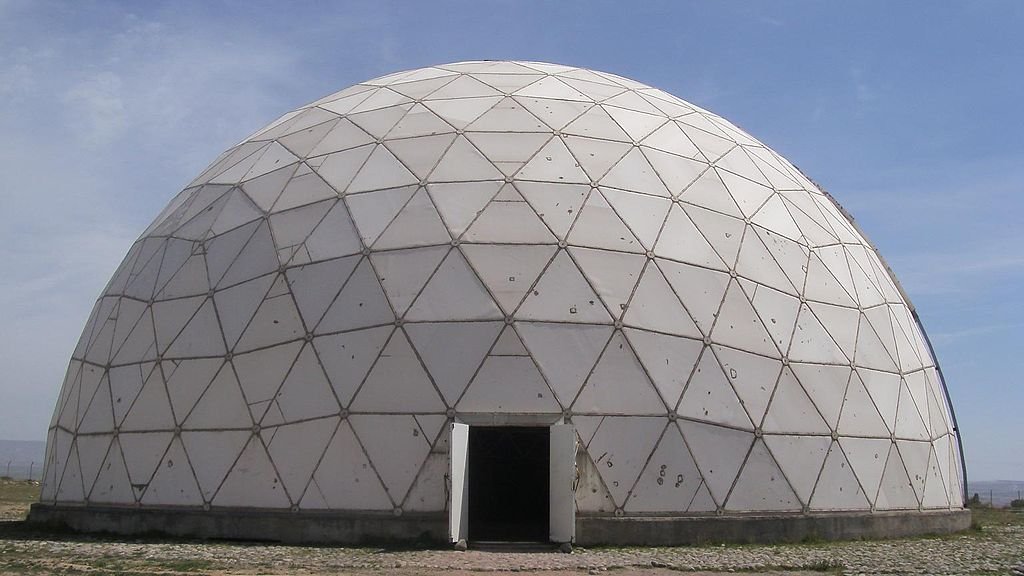
2) He belonged to the group of astronomers associated with the Maragheh observatory, most notably Nasir al-Din al-Tusi. In astronomy, Muhyi al-Din carried out a large‐scale project of planetary observations, which led to the development of several new astronomical parameters..2/6
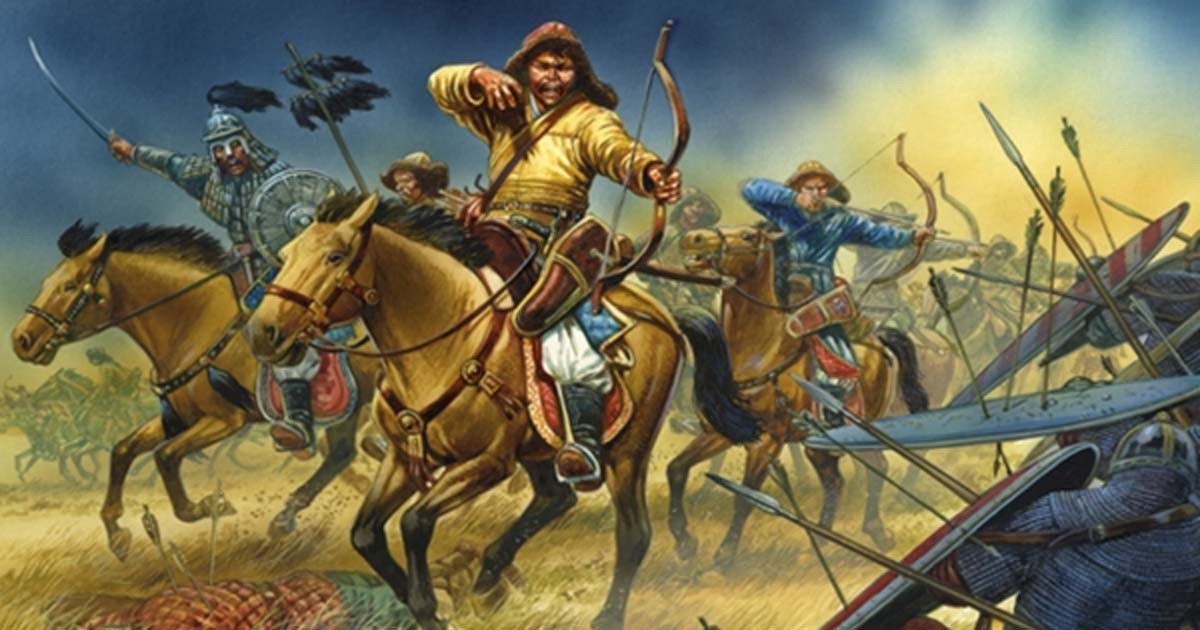
3) Before joining the Maragheh observatory, which was founded by the Mongol Ilkhanid dynasty in Iran, Muhyi al-Dīn had worked for King Nasir of Damascus. This relationship was ultimately cut short when the king was killed by the Mongols in the Siege of Aleppo conflict..3/6
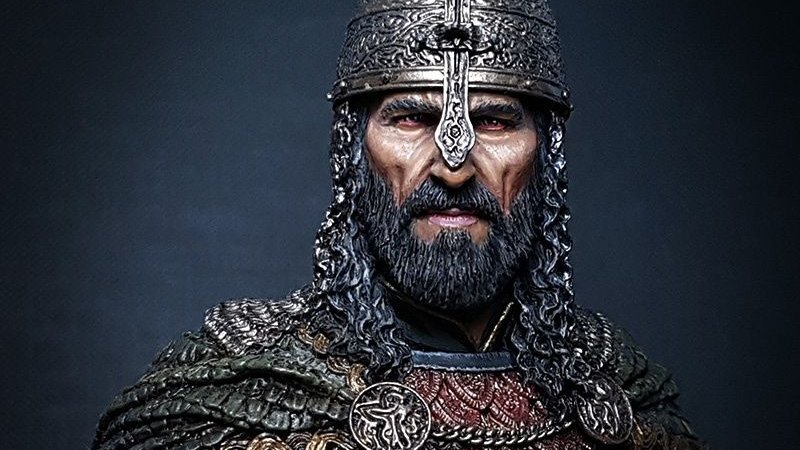
1) Salah al-Din Yusuf ibn Ayyub (1137 – 4 March 1193), better known simply as Salah ad-Din or Saladin, was a Sunni Kurd and founder of the Ayyubid dynasty. Saladin led the Muslim military campaign against the Crusader states in the Levant...1/5 #science#history#Islam
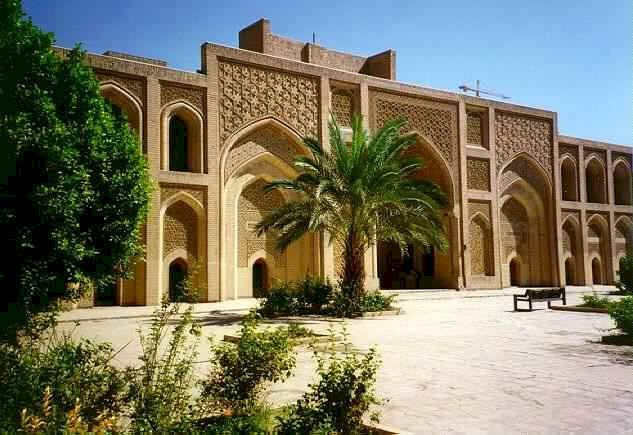
2) Ibn Jubayr wrote about Saladin. For example, he said, "There is no congregational or ordinary mosque, no mausoleum built over a grave, nor hospital, nor theological college, where the bounty of the Sultan does not extend to all who seek shelter or live in them"...2/5
3) "In those colleges, students found lodging and tutors to teach them the sciences that they desired as well as also allowances to cover their needs. The care of the sultan also granted them baths, hospitals, and the appointment of doctors"...3/5
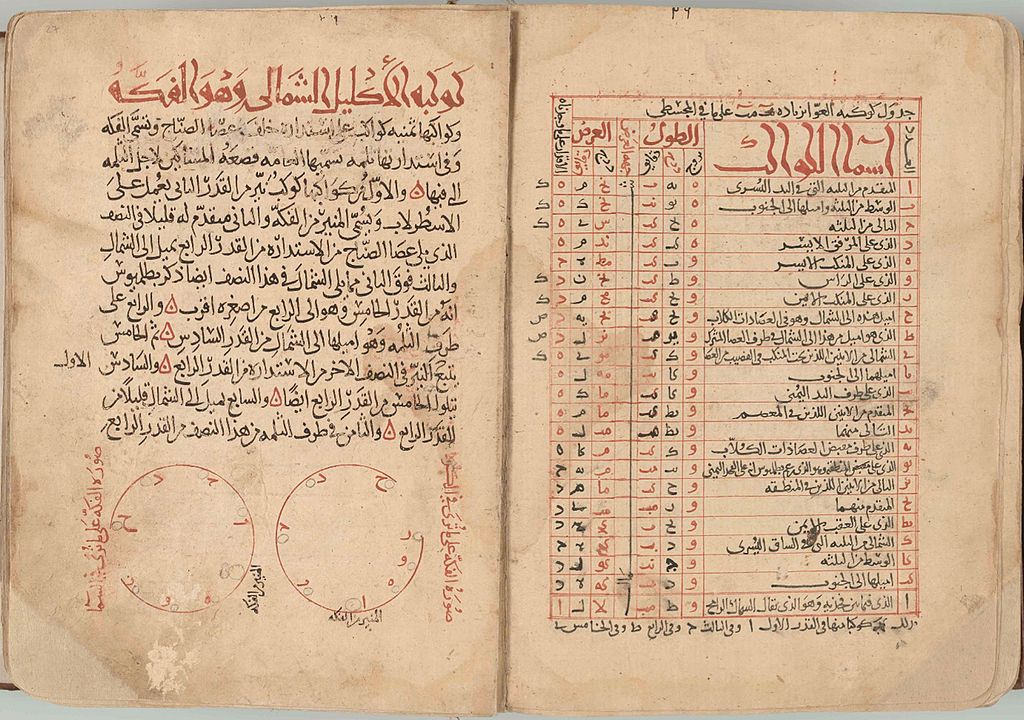
1) The Book of Fixed Stars (كتاب صور الكواكب) is an astronomical text written by Abd al-Rahman al-Sufi (Azophi) around 964. The book was written in Arabic, the common language for scholars across the vast Islamic territories, although the author himself was Persian...1/4 #fact
2) Al-Sufi improved upon Ptolemy’s system. Instead of two brightness categories (‘more bright’ and ‘less bright’), Al-Sufi employed three: (‘less’) (‘greater’), and (‘much-greater’). Ihsan Hafez has recorded 132 stars in Al-Sufi’s work not mentioned by Ptolemy..2/4 #science
3) Al-Sufi's results, as in Ptolemy's Almagest, were set out constellation by constellation. For each constellation, he provided two drawings, one from the outside of a celestial globe, and the other from the inside. ..3/4 #astronomie#science#fact#History