

Great to team up with my esteemed @CarnegieEndow colleague @andrewsweiss for this de-mythologizing of Russian military, political & economic influence in the Middle East, covering #Syria, #Israel, #Lebanon, #Algeria, #Libya, & #Egypt. 1/carnegieendowment.org/2021/08/31/rea…
Moscow's activism in the MENA is certainly formidable: it has adroitly deployed military forces in Syria & Libya & engaged with actors that are off limits to the West. A flat decision-making structure allow Russia to operate nimbly & without concern for domestic blowback. 2/ 
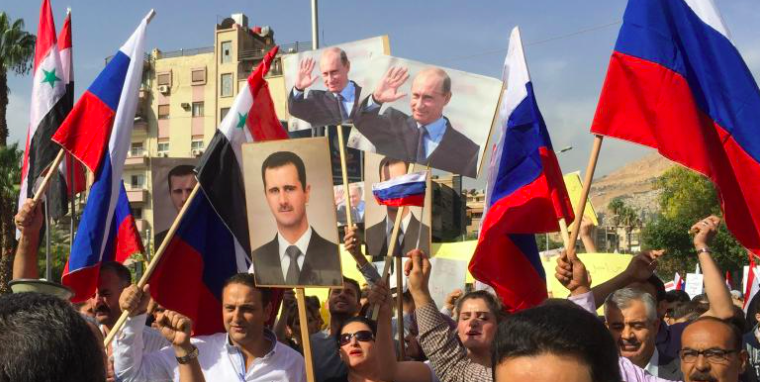
Russia’s opportunistic interventions across the region have adeptly exploited U.S. missteps, filled vacuums, and pandered to the insecurities & ambitions of local actors--all while trying to enrich itself along the way. 3/
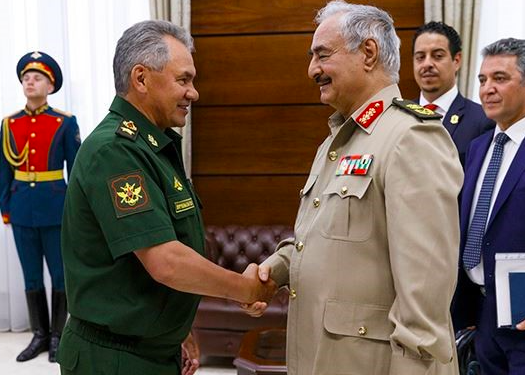
Yet Moscow's ability to achieve lasting strategic gains is circumscribed by limitations in its policy toolkit and, especially, by local MENA actors, who exert far more agency in determining the extent of Russian influence than common narratives suggest. 4/
Despite being plied with Russian support, MENA rulers do not behave as docile proxies and, in many cases, have perfected the game of soliciting Russia's attention to gain leverage over other patrons, namely the U.S. 5/
Even in MENA countries that buy massive amounts of Russian arms, Moscow has been unable to move the bilateral relationship from a transactional one to an enduring strategic partnership. 6/
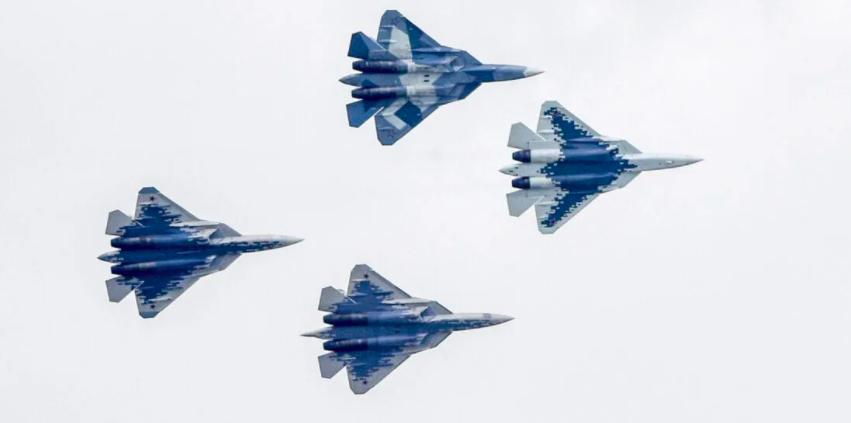
With these limitations in mind, Washington should avoid viewing the region through a zero-sum, Cold War lens that sees every development as a net gain or loss for Moscow and minimizes the agency of local actors. 7/
In particular, the U.S. should avoid playing the arms trade game on Moscow's terms or letting itself get instrumentalized by autocratic Arab partners who point to Russian overtures to seek leniency and support from Washington. 8/
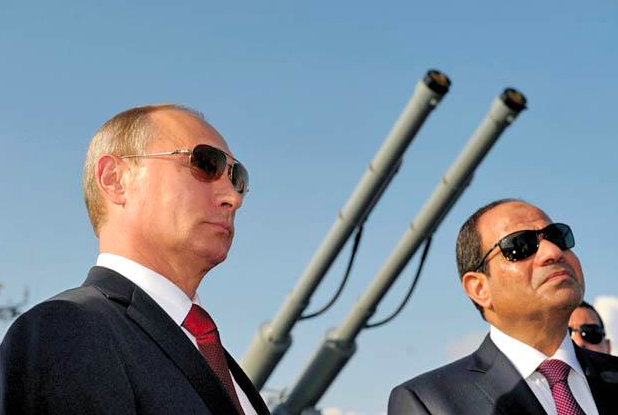
Instead, Washington should focus on its biggest comparative advantage vis-à-vis Moscow in the MENA: namely, its abundant influence in the economic and security spheres, its still-potent soft power, and its leadership of multilateral diplomacy and the rules-based global order. END
• • •
Missing some Tweet in this thread? You can try to
force a refresh



