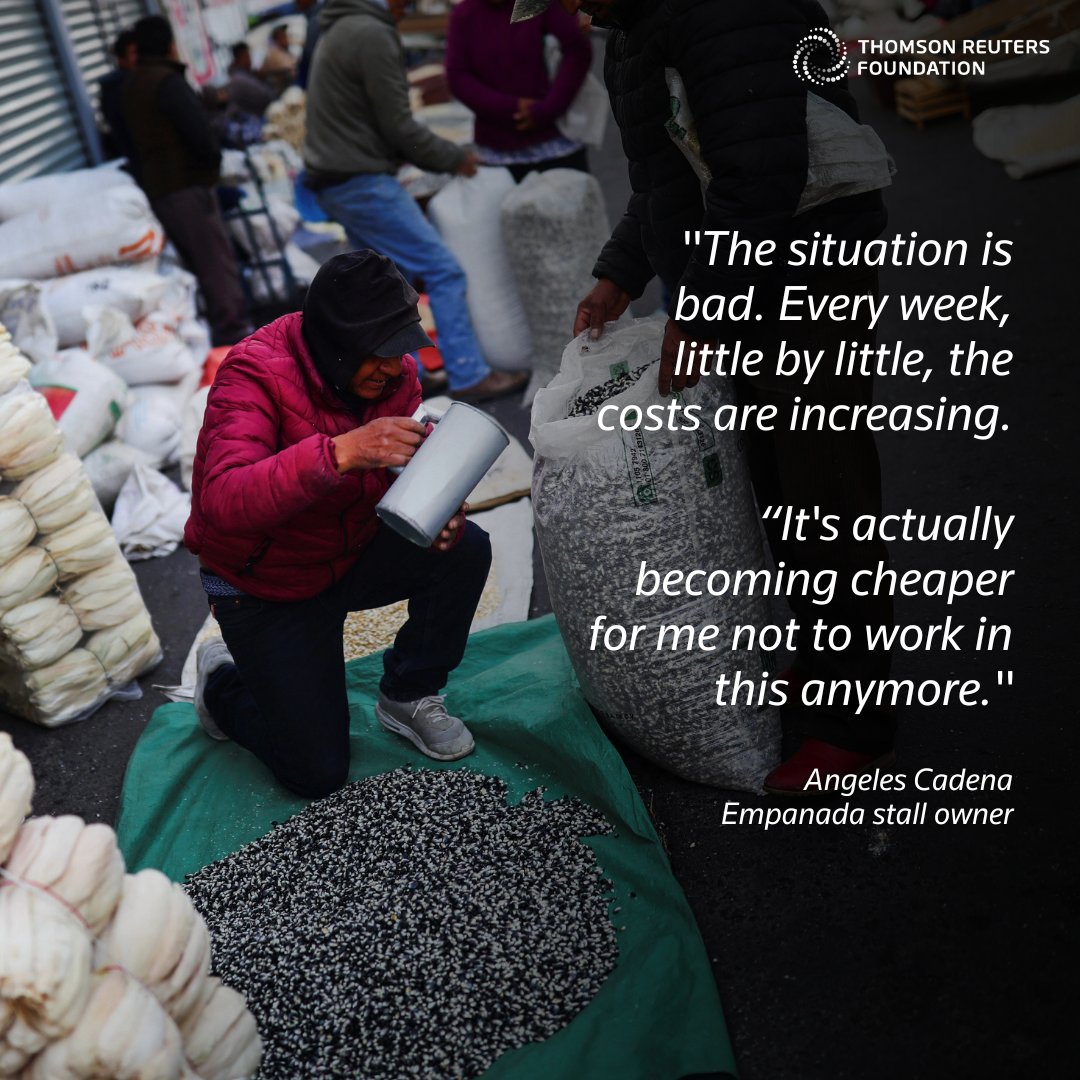
🚨 The latest #crypto crash has roiled markets and spooked many investors.
But from Ukraine to Gaza to Afghanistan, people facing war or crisis say #cryptocurrencies are still a vital lifeline.
Here's how people in 3 countries have turned to digital coins for survival. 🧵
But from Ukraine to Gaza to Afghanistan, people facing war or crisis say #cryptocurrencies are still a vital lifeline.
Here's how people in 3 countries have turned to digital coins for survival. 🧵


🇺🇦 When Russia invaded #Ukraine, many relied on #bitcoin to bypass sanctions.
⭕️ Crypto was used to buy supplies for those in warzones.
💰 The government's fund of about $100 million in crypto has been depleted by the crash, but charities are still seeing generous donations.
⭕️ Crypto was used to buy supplies for those in warzones.
💰 The government's fund of about $100 million in crypto has been depleted by the crash, but charities are still seeing generous donations.

🇵🇸 Crypto is also thriving in #Gaza, where Palestinians are locked out of many payment apps.
They often have to pay high fees to banks and middlemen to send and receive money.
⭕️ Brokers charge only a 1%-2% fee to send or receive crypto and convert it into local currency.
They often have to pay high fees to banks and middlemen to send and receive money.
⭕️ Brokers charge only a 1%-2% fee to send or receive crypto and convert it into local currency.

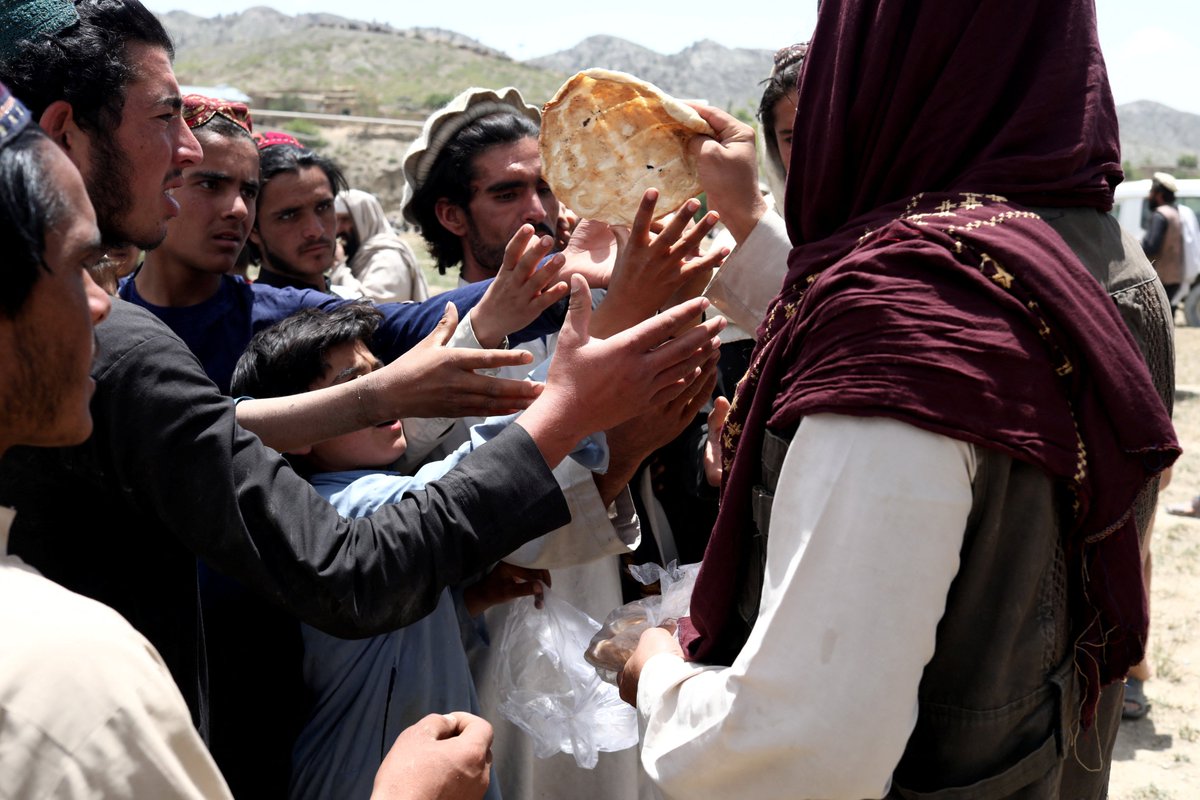
🇦🇫 A lot of people use crypto to transfer money in #Afghanistan too.
📉 A majority of Afghans don’t have bank accounts, and the national currency has nosedived in the past year.
⭕️ Since August 2021, there have been almost no remittances through international bank payments.
📉 A majority of Afghans don’t have bank accounts, and the national currency has nosedived in the past year.
⭕️ Since August 2021, there have been almost no remittances through international bank payments.
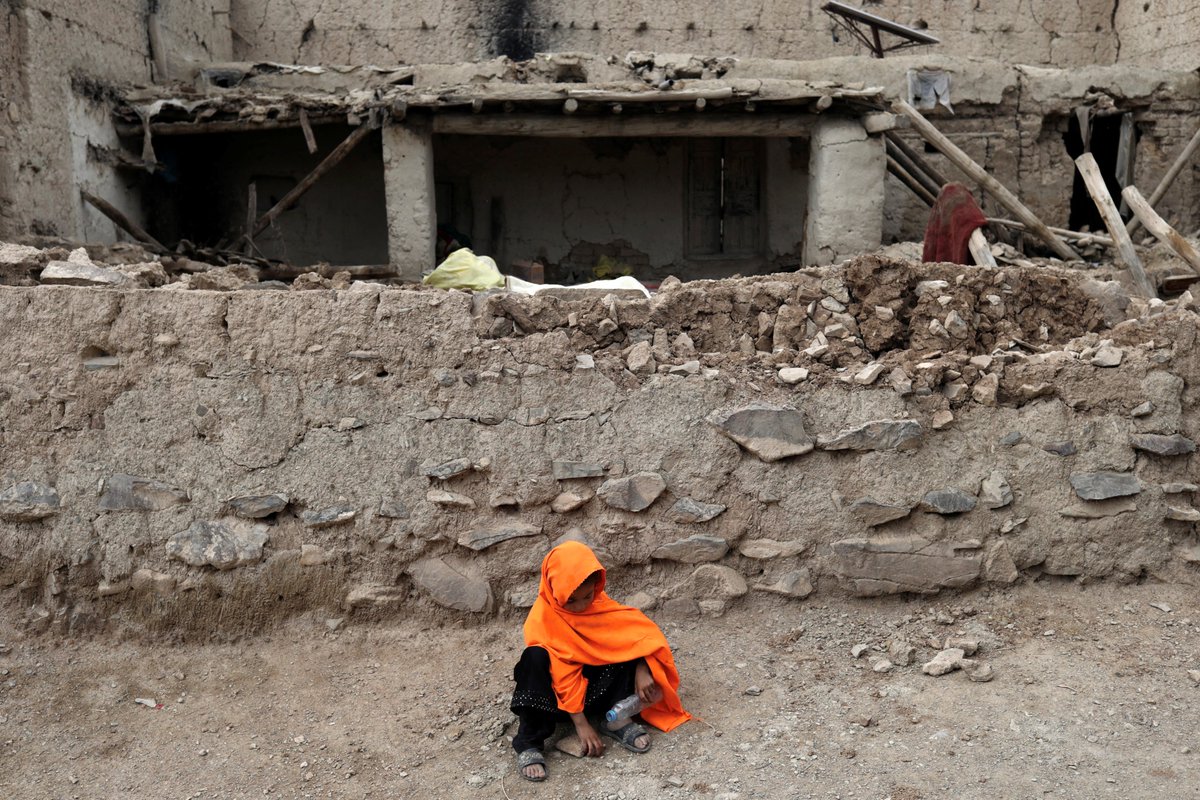
💸 As in Ukraine, crypto aid has also been used to buy emergency aid for Afghans.
⭕️ Online marketplace @ASEELApp takes donations in crypto, as well as official currencies, which it converts into digital coins to buy supplies such as food and first aid.
tmsnrt.rs/3Nifefs
⭕️ Online marketplace @ASEELApp takes donations in crypto, as well as official currencies, which it converts into digital coins to buy supplies such as food and first aid.
tmsnrt.rs/3Nifefs
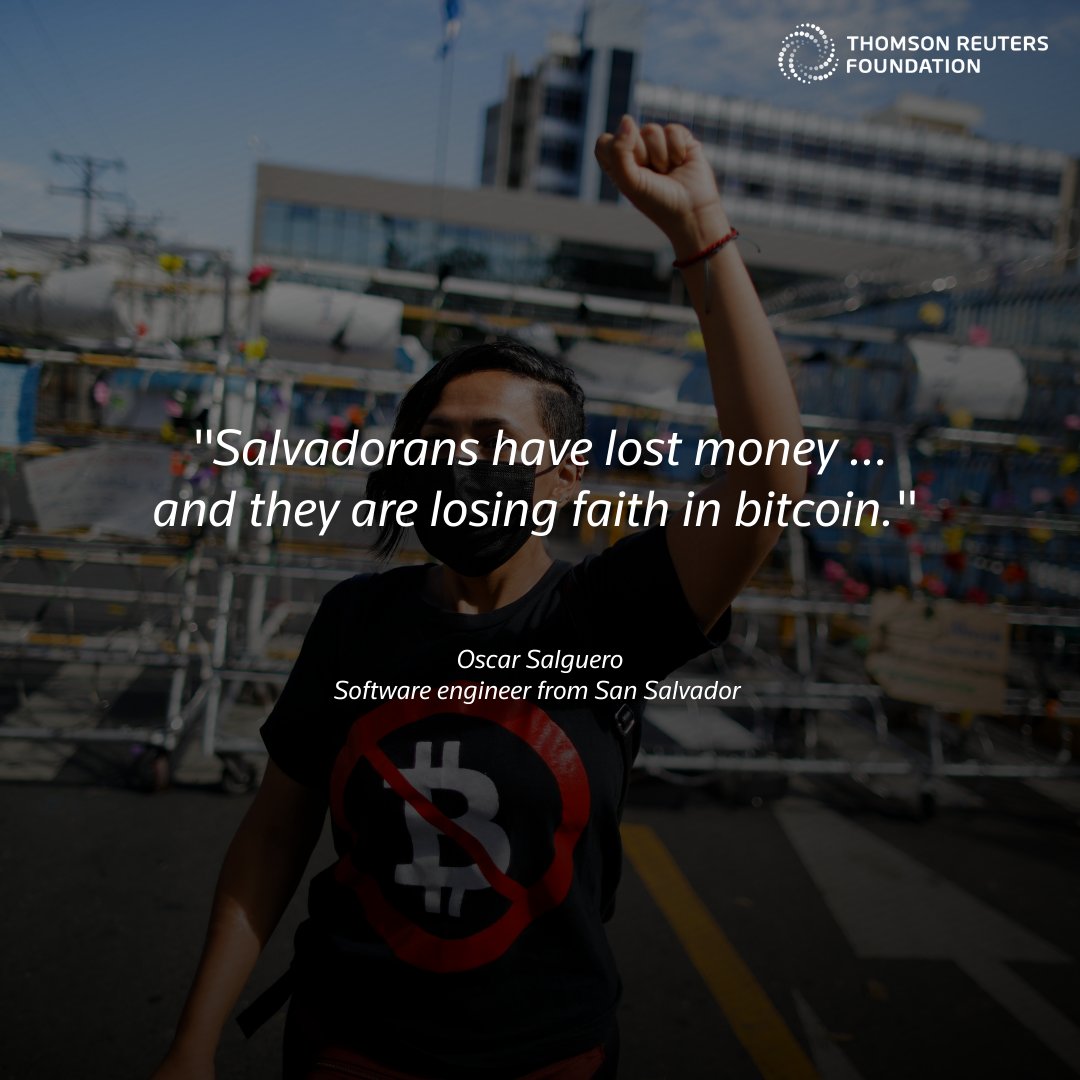
⚠️ But not all crypto users are as eager.
🇸🇻 El Salvador made bitcoin legal tender last year with the aim of saving money on remittances.
🚨 But its adoption was marred by glitches, and the crash has roughly halved the value of government bitcoin holdings.
🇸🇻 El Salvador made bitcoin legal tender last year with the aim of saving money on remittances.
🚨 But its adoption was marred by glitches, and the crash has roughly halved the value of government bitcoin holdings.
🇦🇫 Despite losing some money from the crash, interest among Afghans remains high, says Afghan video blogger and crypto enthusiast @farhanVLOGS.
⭕️"Of course, I always remind my followers of the risks," he told us.
⚠️ "But we Afghans know about risk more than anyone."
⭕️"Of course, I always remind my followers of the risks," he told us.
⚠️ "But we Afghans know about risk more than anyone."
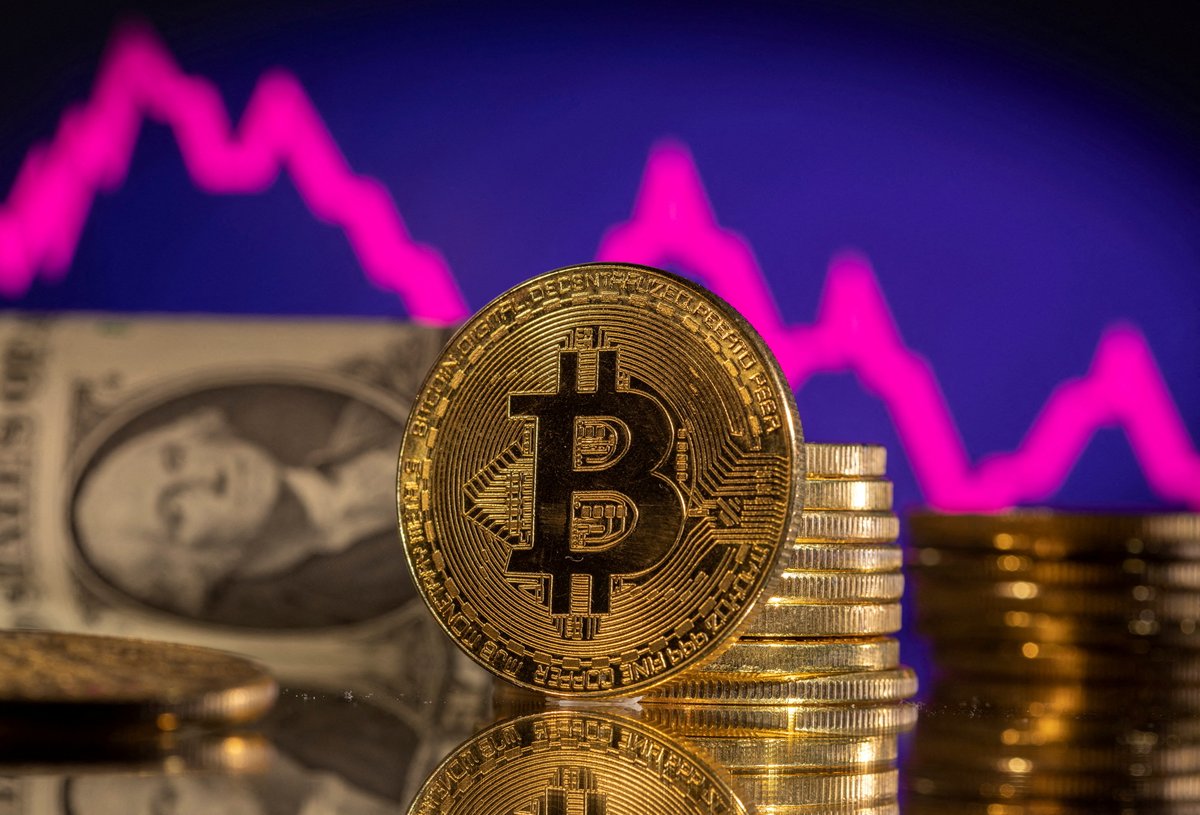
🚨 The recent crash in #cryptocurrency markets has spooked investors, but more charities and users in crisis-hit places from Afghanistan to Palestine are turning to digital coins.
Read more from @RinaChandran and @AASchapiro: tmsnrt.rs/3Nifefs
Read more from @RinaChandran and @AASchapiro: tmsnrt.rs/3Nifefs
• • •
Missing some Tweet in this thread? You can try to
force a refresh