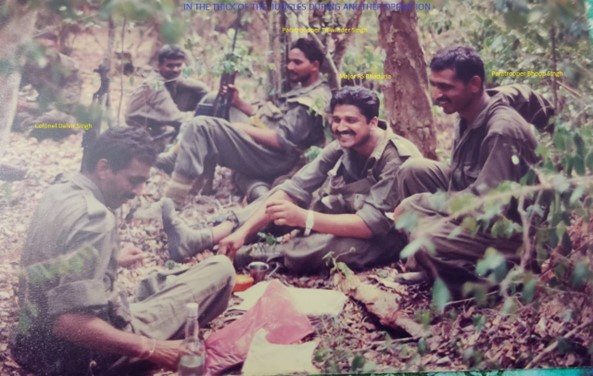
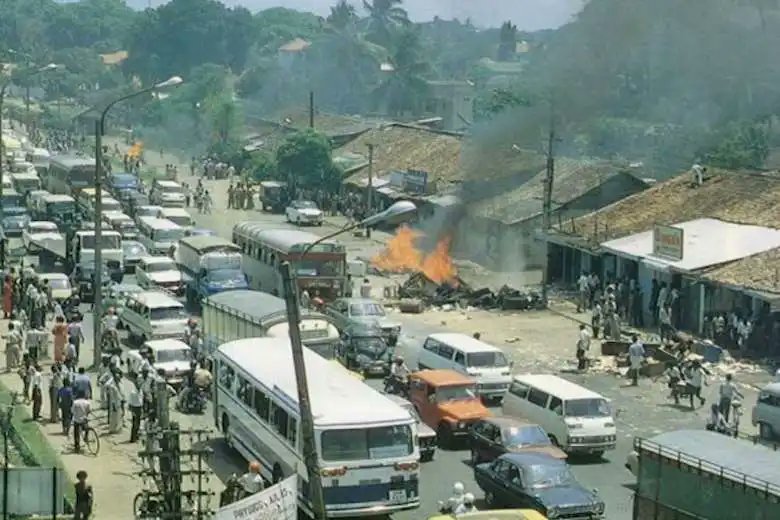
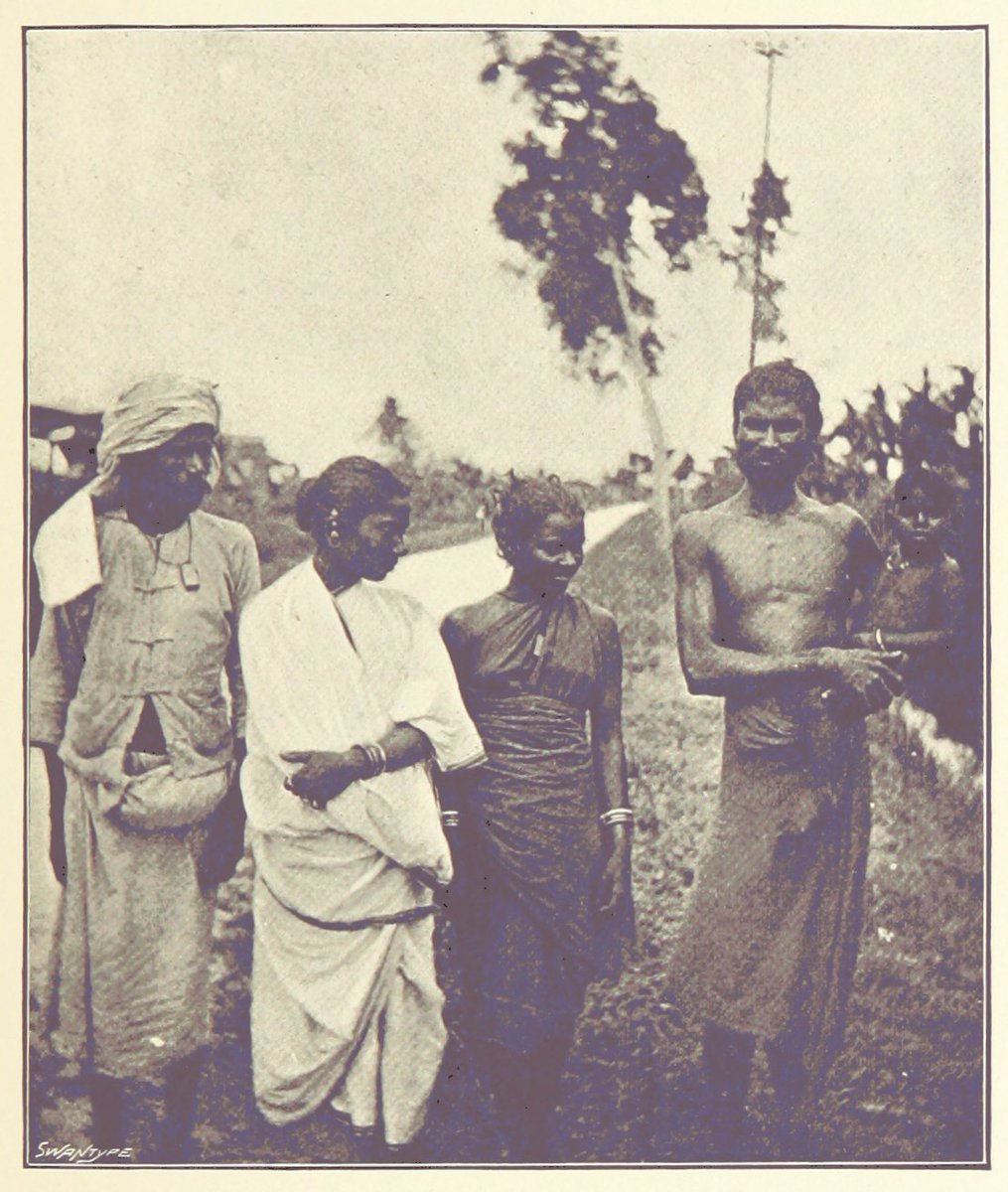
During the early 1900s, many Ceylonese left for Malaya in order to find work. In WW2, they came at odds with the Japanese who started their conquest of East Asia...
In 1941, one girl documented that experience in a diary, check it out below...
#srilanka #history #WW2 #lka
In 1941, one girl documented that experience in a diary, check it out below...
#srilanka #history #WW2 #lka

December 1, 1941
The English Paper of the Senior Cambridge Exam wasn’t as bad as we expected. In spite of the fuss Aunty made, Indrani and I had lunch by ourselves at the Jubilee Restaurant. Enjoyed it too, though we couldn’t relax, as there was a paper in the afternoon.
The English Paper of the Senior Cambridge Exam wasn’t as bad as we expected. In spite of the fuss Aunty made, Indrani and I had lunch by ourselves at the Jubilee Restaurant. Enjoyed it too, though we couldn’t relax, as there was a paper in the afternoon.
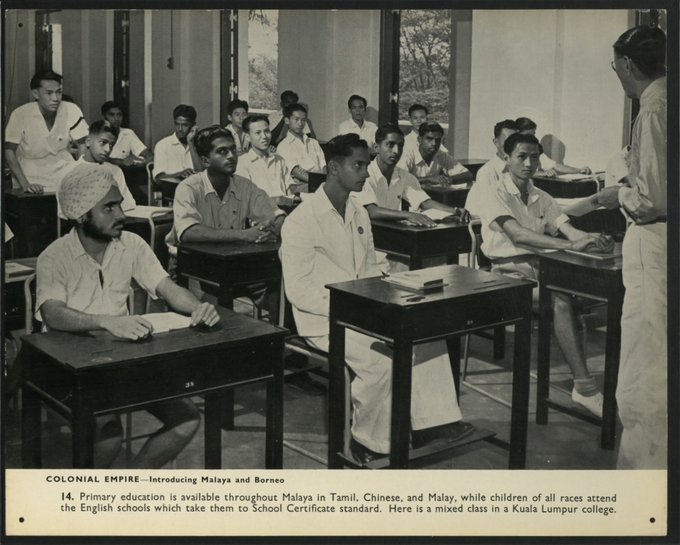
December 8, 1941
Did badly today, but so would every one else-I hope. Uncle woke us up at 6 a.m. with the astounding new that Singapore and Kota Bharu were bombed. The American fleet was caught napping at Pearl Harbour. Even the Exam supervisors were full of it and chattered!
Did badly today, but so would every one else-I hope. Uncle woke us up at 6 a.m. with the astounding new that Singapore and Kota Bharu were bombed. The American fleet was caught napping at Pearl Harbour. Even the Exam supervisors were full of it and chattered!


December 15, 1941
Things moving fast, Japs moving faster, and naturally Watsons moving fastest. I can’t stand those girls, but if they are evacuating, I s’pose we’ll have to be accommodating. But will they stay with us till the war is over? – horrors.
Things moving fast, Japs moving faster, and naturally Watsons moving fastest. I can’t stand those girls, but if they are evacuating, I s’pose we’ll have to be accommodating. But will they stay with us till the war is over? – horrors.
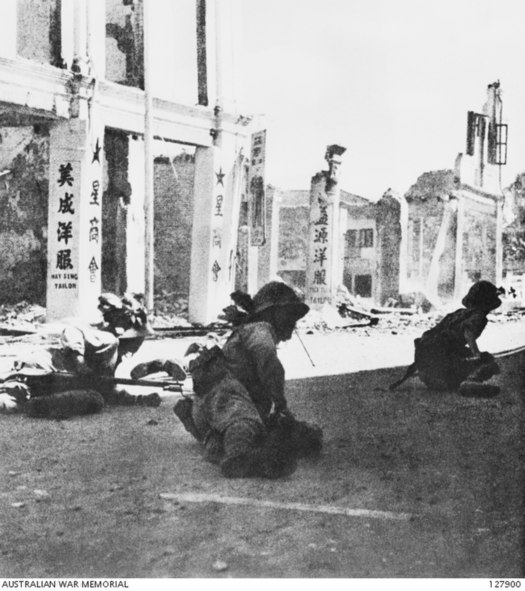
December 18, 1941
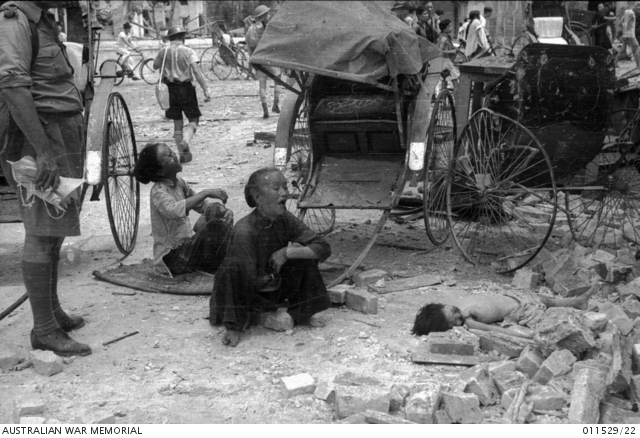
Heard bombs for the first time, and sighted Jap aircraft. Tapah road bombed. In the afternoon, Barton returned from the hospital with tales of the casualties – some with hands and legs, some with stomachs ripped open, or damaged skulls. Horrible.
Heard bombs for the first time, and sighted Jap aircraft. Tapah road bombed. In the afternoon, Barton returned from the hospital with tales of the casualties – some with hands and legs, some with stomachs ripped open, or damaged skulls. Horrible.
December 21, 1941
Our troubles solved for us. Dad decided to take us all to Mr. George’s at the Estate, and here we are. No lights or anything. But Mr. and Mrs. George are really very hospitable. Yet God knows what our fate will be.
Our troubles solved for us. Dad decided to take us all to Mr. George’s at the Estate, and here we are. No lights or anything. But Mr. and Mrs. George are really very hospitable. Yet God knows what our fate will be.
December 24, 1941 (Christmas Eve)
We heard bombs fall on Tapah – we got out just in time! No news. The ground of Mr. George’s is really a Young Peoples Club all day, what with gramophone, and cards and books.
We heard bombs fall on Tapah – we got out just in time! No news. The ground of Mr. George’s is really a Young Peoples Club all day, what with gramophone, and cards and books.
December 26, 1941
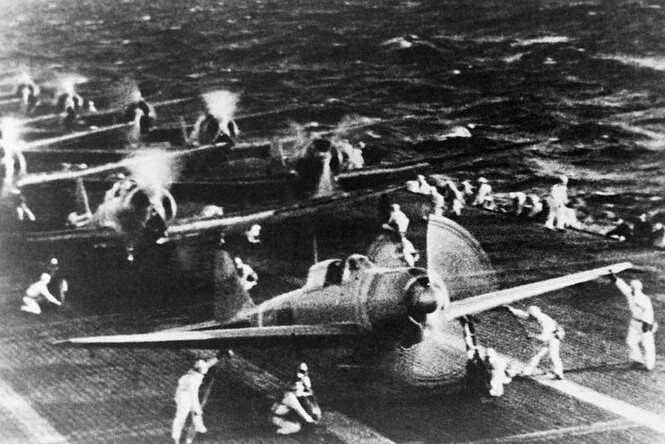
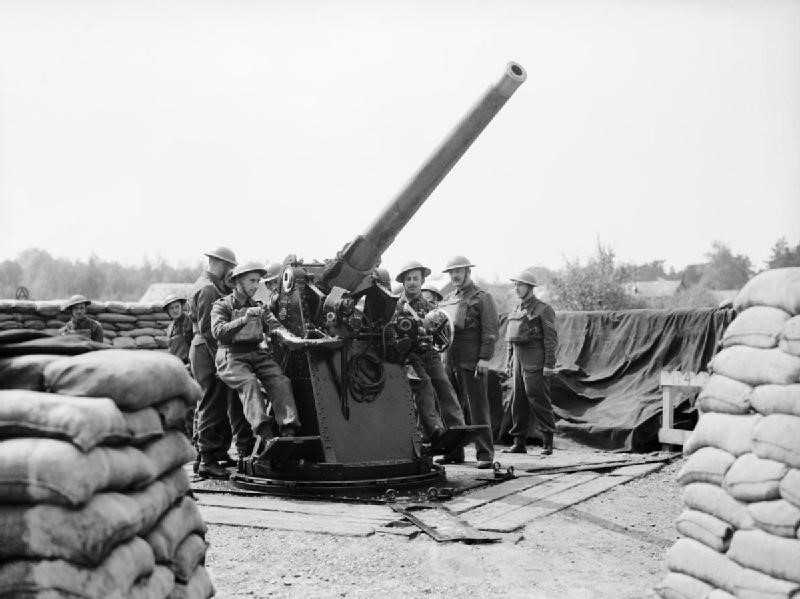
Couldn’t sleep with the British shells whistling over the estate. And early in the morning the Jap planes came over, and everybody ran helter skelter for shelter.
Couldn’t sleep with the British shells whistling over the estate. And early in the morning the Jap planes came over, and everybody ran helter skelter for shelter.
January 2, 1942
Four Japs of the Suicide Corps arrived at the estate: grim shifty, ugly, smelly fellows. They wanted food and took stock of our vehicles. One of them came up on the verandah and bowed. Our volunteers had revolvers tucked into their sarongs in case of trouble.
Four Japs of the Suicide Corps arrived at the estate: grim shifty, ugly, smelly fellows. They wanted food and took stock of our vehicles. One of them came up on the verandah and bowed. Our volunteers had revolvers tucked into their sarongs in case of trouble.
January 7, 1942
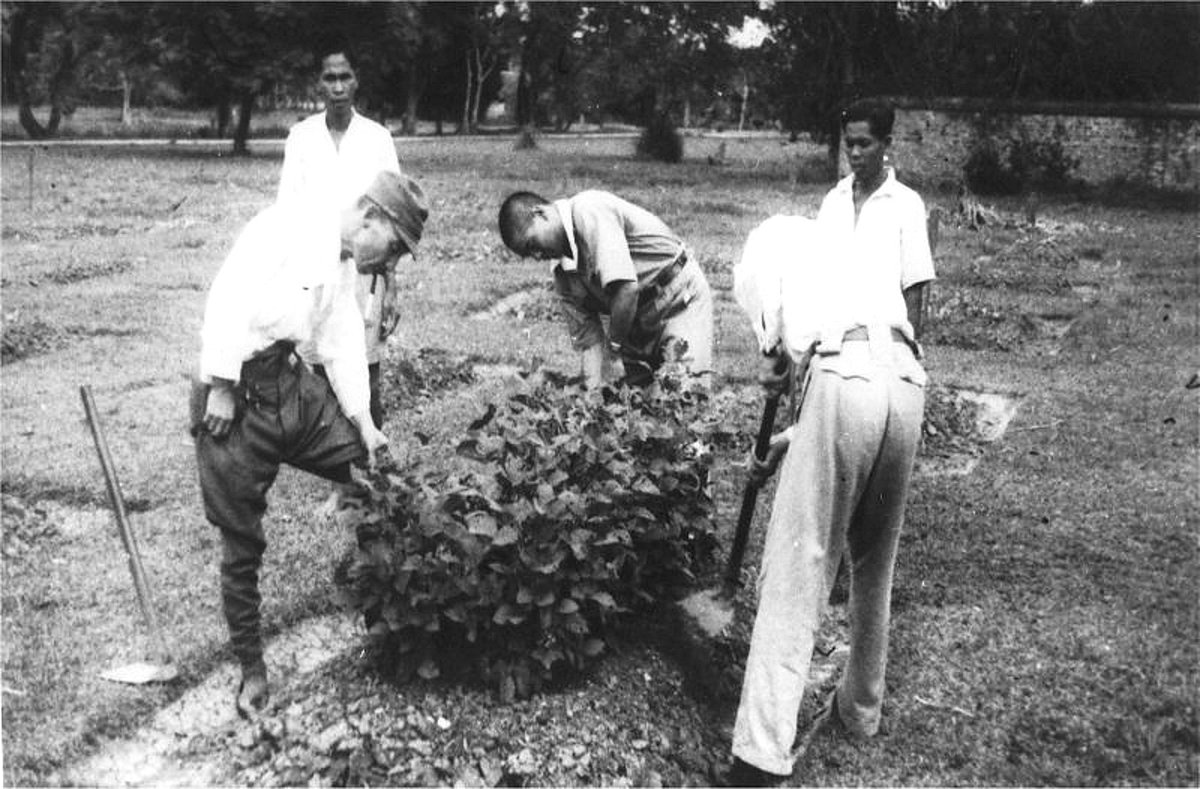
Dad, as a Government Servant asked to return, so we prepared to go back – but had to go on foot and transport our goods by cart! We were now under Jap regime. The war had come, and gone, but we had lived in peace.
Dad, as a Government Servant asked to return, so we prepared to go back – but had to go on foot and transport our goods by cart! We were now under Jap regime. The war had come, and gone, but we had lived in peace.
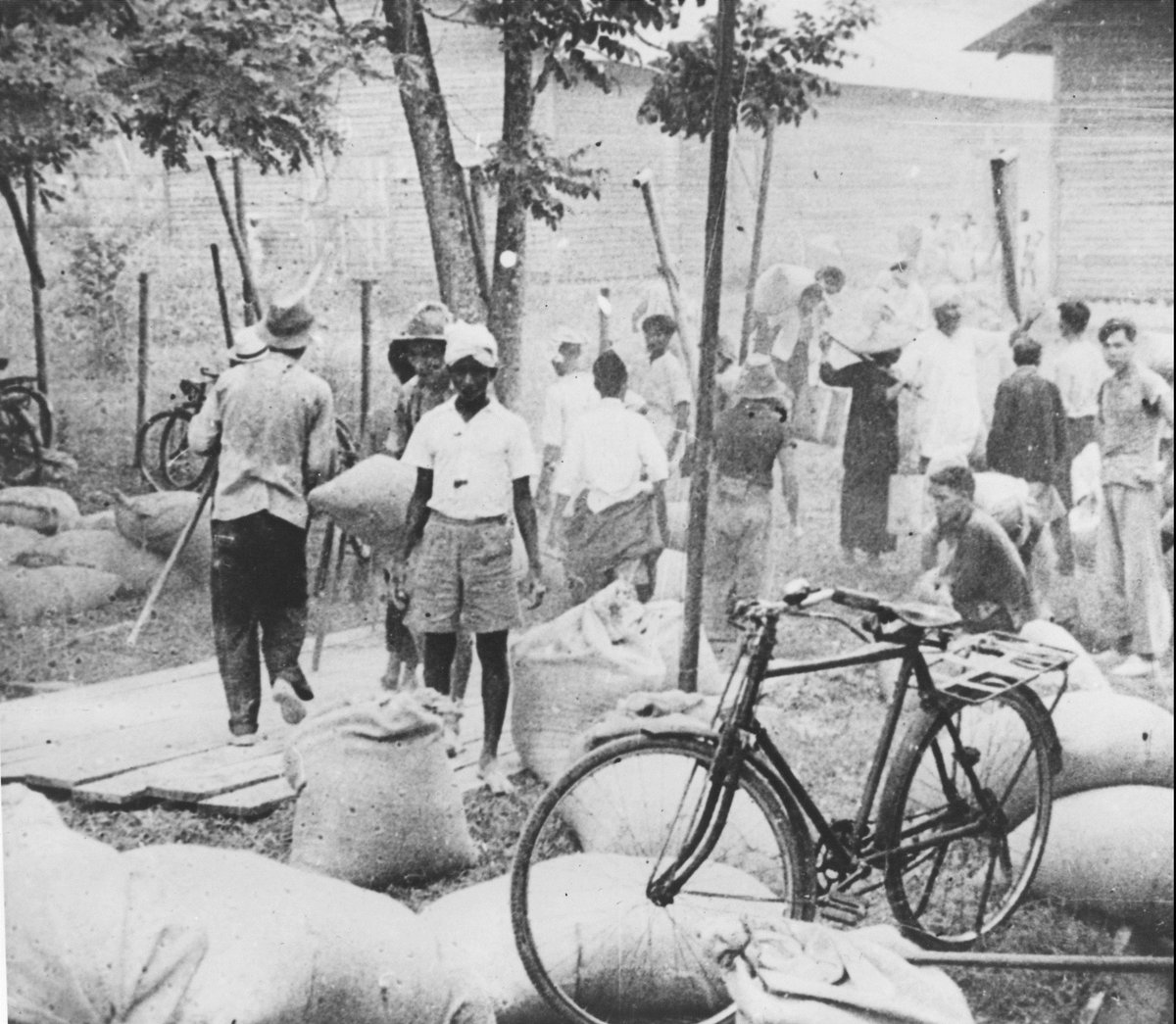
The Diary extracts were found and published by Evelyn Gnanam in an article called "War and Peace" for the 1949 Jaffna Hindu College Magazine...
Ask your family members, it's possible you have people who went to Malaya and experienced this history first hand.
Ask your family members, it's possible you have people who went to Malaya and experienced this history first hand.
• • •
Missing some Tweet in this thread? You can try to
force a refresh