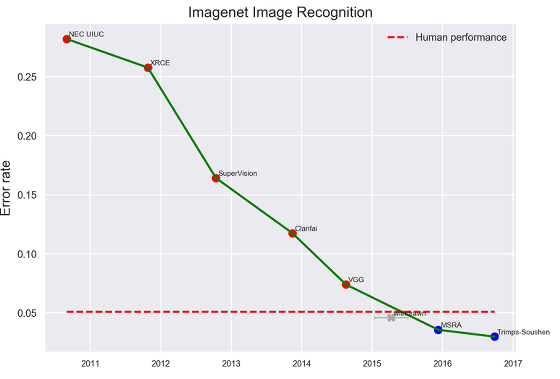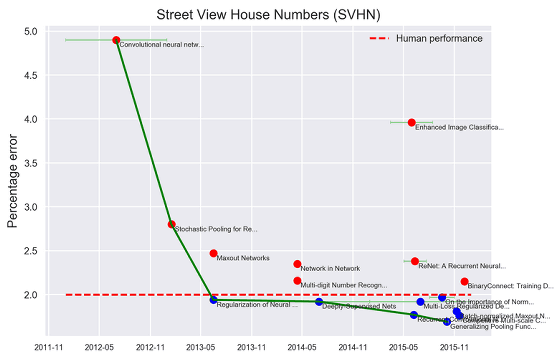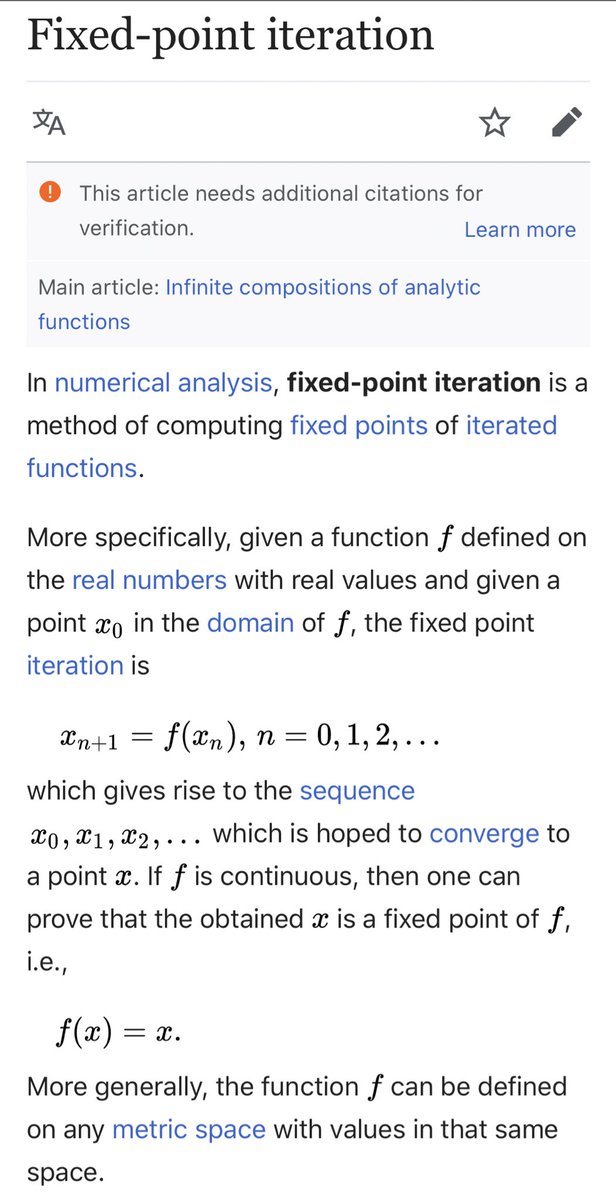
Many news articles are now wrappers around tweets. This is actually a form of progress.
Because eventually, it's all event feeds.
Reason: many events are now digitally logged to separate DBs. But eventually this is one giant feed. Private data encrypted, public entries citable.
Because eventually, it's all event feeds.
Reason: many events are now digitally logged to separate DBs. But eventually this is one giant feed. Private data encrypted, public entries citable.
Crypto oracles will drive this. People are setting up oracles to place bets on everything from average temperatures to arrival times.
All that data gets fed into public chains, and hashed with cryptographically hard-to-fake timestamps. So you know who wrote what when on chain.
All that data gets fed into public chains, and hashed with cryptographically hard-to-fake timestamps. So you know who wrote what when on chain.
There are already programs that take in box scores and generate sports articles, or stock tickers and write financial news.
The next step is taking broader types of structured event feeds and turning them into human-readable stories. en.wikipedia.org/wiki/Automated…
The next step is taking broader types of structured event feeds and turning them into human-readable stories. en.wikipedia.org/wiki/Automated…
Narrative Science (@narrativesci) has a particularly interesting version of this.
They take in your dashboards or spreadsheets, and automatically generate a human-readable article from that. narrativescience.com
They take in your dashboards or spreadsheets, and automatically generate a human-readable article from that. narrativescience.com
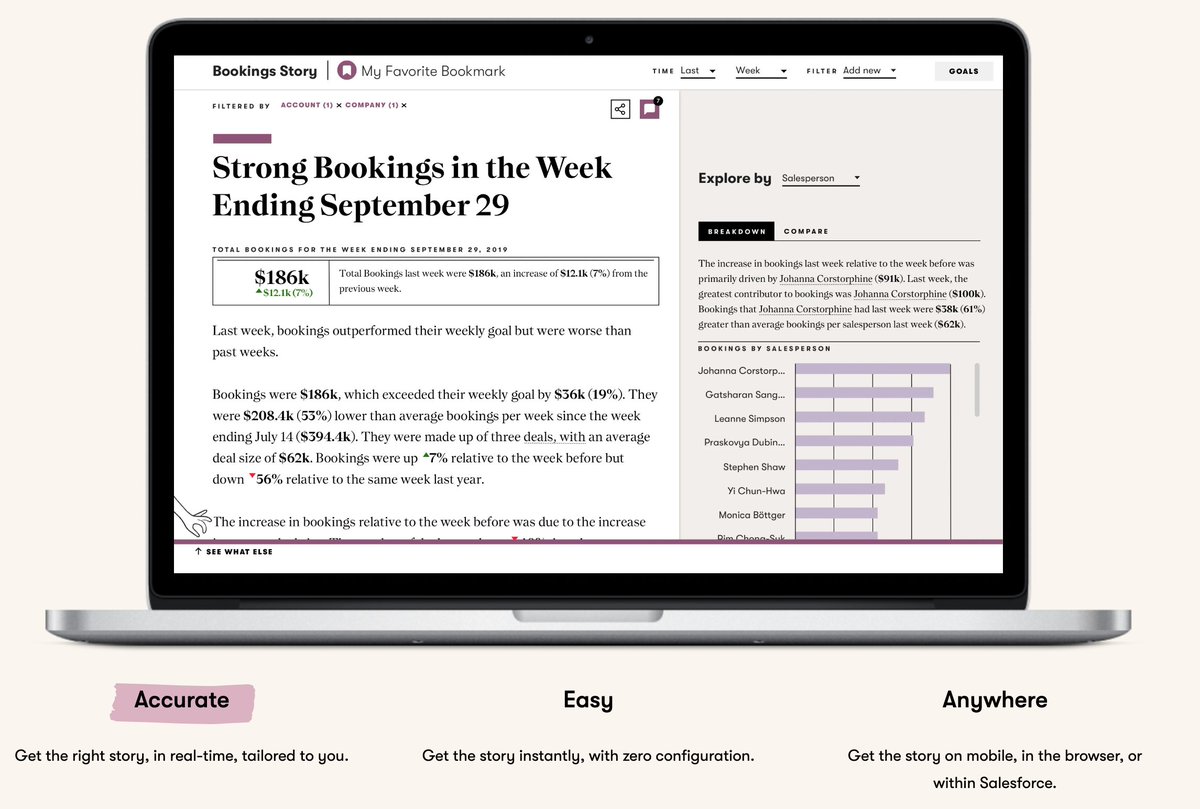
@narrativesci Now let's suppose many kinds of data are indexed in this giant public event feed.
Because cited events are written to public chains with cryptographically hard-to-fake timestamps & digital signatures, we can all align on the facts.
This is a vision for restoring trust in news.
Because cited events are written to public chains with cryptographically hard-to-fake timestamps & digital signatures, we can all align on the facts.
This is a vision for restoring trust in news.
@narrativesci In this transition, the key switch is from institutional authority to cryptographic proof.
You don't trust a story just because it was reported in a prestigious outlet.
You trust it because it cites events that were hashed to a blockchain in a provably hard-to-fake way.
You don't trust a story just because it was reported in a prestigious outlet.
You trust it because it cites events that were hashed to a blockchain in a provably hard-to-fake way.
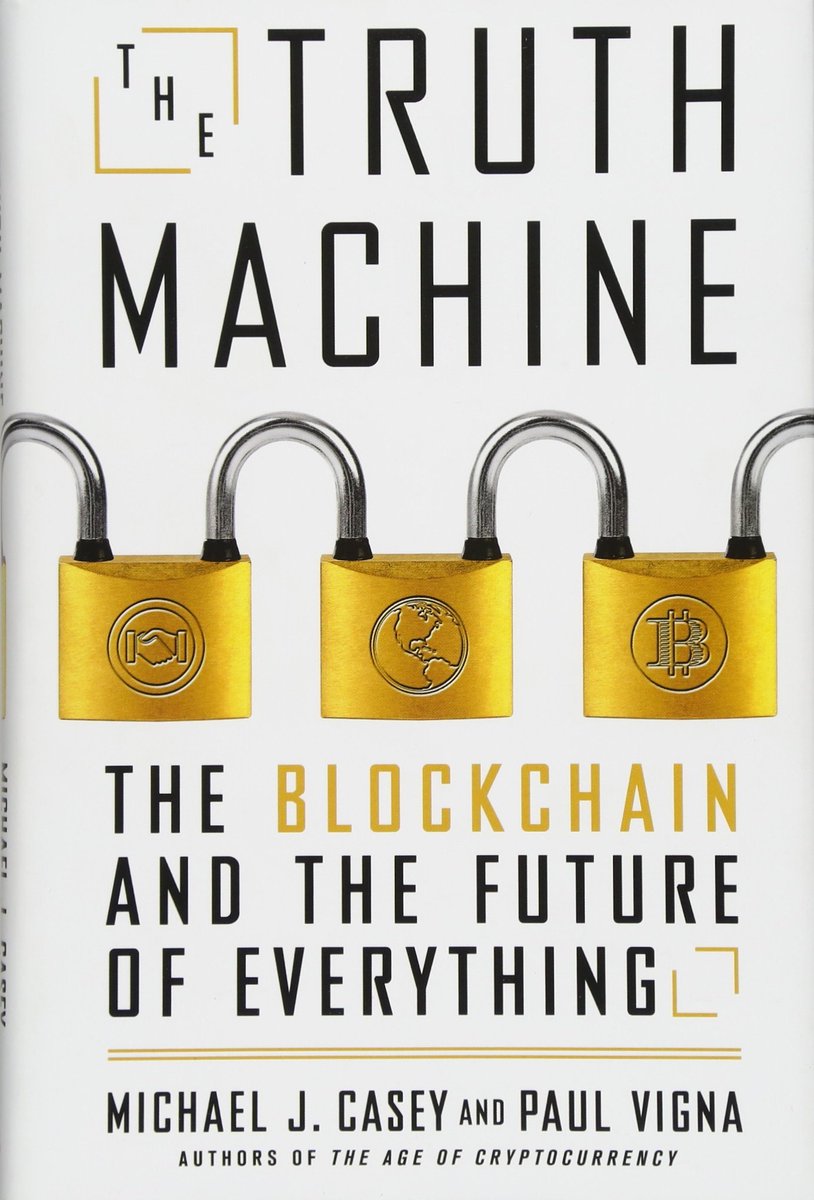
@narrativesci Anonymous sources also fit into this model.
There are ways to use cryptography to establish an affiliation without giving up anything else about the person.
Simple example: Satoshi could sign a message to prove something without giving up his identity.
Can also use ZK proofs.
There are ways to use cryptography to establish an affiliation without giving up anything else about the person.
Simple example: Satoshi could sign a message to prove something without giving up his identity.
Can also use ZK proofs.
@narrativesci The global on-chain event feed thus takes over from newspapers as the true first draft of history.
And these digital timestamps ("who signed what when") can then be used to establish everything from the reality of a patent to the fakeness of a photo.
And these digital timestamps ("who signed what when") can then be used to establish everything from the reality of a patent to the fakeness of a photo.
@narrativesci By the way, what this suggests is that Reuters could eventually (a) move their feed on-chain and (b) sign every event, photo, video, and story with a digital signature from both the reporter and the organization.
Doesn't mean full trust, but does improve it on some dimensions.
Doesn't mean full trust, but does improve it on some dimensions.
Who signed it = digital signature
What did they sign = hash
When did they sign = timestamp
What did they sign = hash
When did they sign = timestamp