,
10 tweets,
3 min read
Read on Twitter
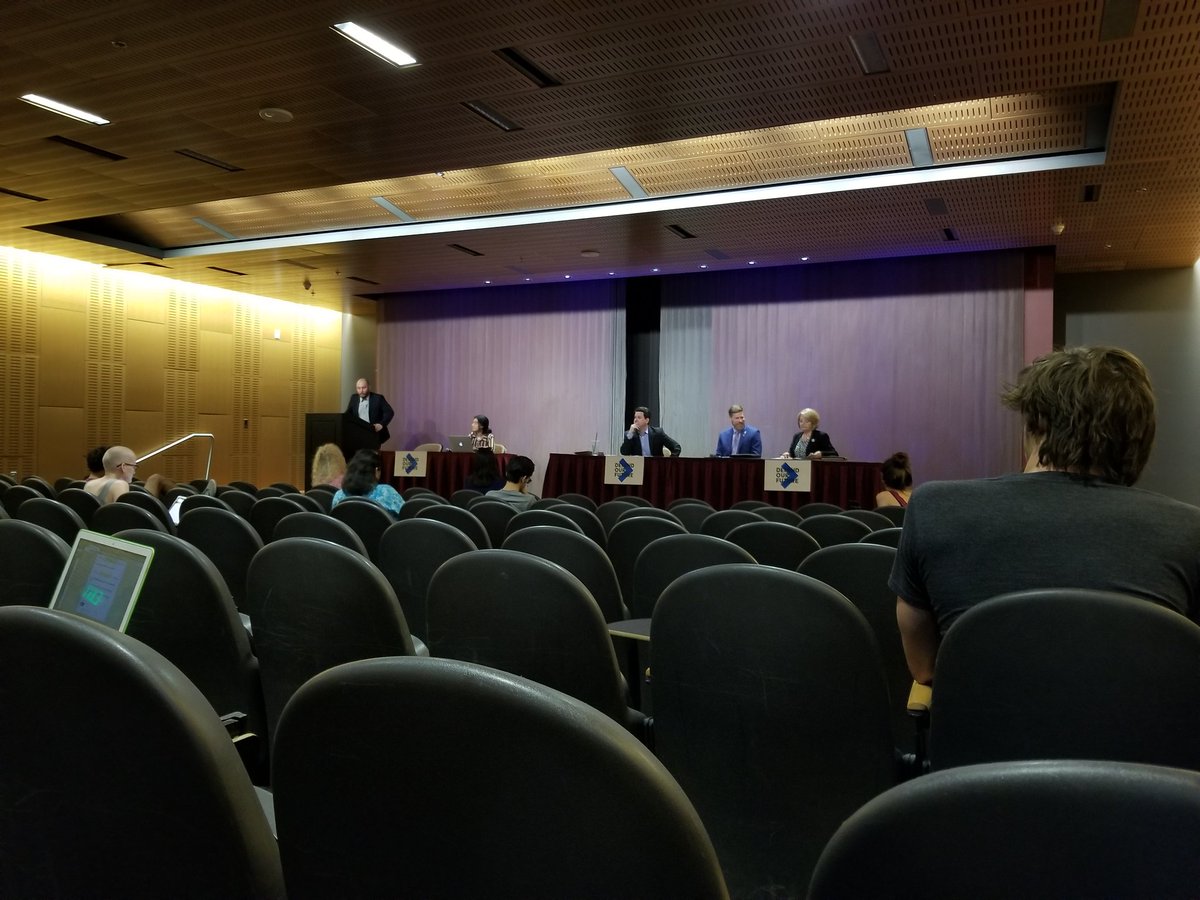
Right now: state water wonks, climatologists, state and federal environmental leaders and tribal members are meeting to talk about updates on AZ's drought and how it could change in the future.
It may sound like a dry topic, but it's important. Follow here for updates.
It may sound like a dry topic, but it's important. Follow here for updates.

Nancy Selover, a state climatologist just spoke. While AZ and the SW got a lot of snow and rain in recent months which brought most of us out of a short-term drought, she said, those conditions will likely come back, as they seasonally do and as they've done for nearly 2 decades.
That warmer and drier weather will bring a higher chance of wildfires. Long-term drought conditions will take longer to improve because of how long snowpack runoff and other water takes to trickle into reservoirs.
A full recovery would take several years of above avg. rainfall.
A full recovery would take several years of above avg. rainfall.
Rabi Gyawali of ADWR just gave an update on the levels of Lake Mead, Lake Powell and other state reservoirs.
Lake Mead is at 1,088 ft. or 41% (just 13 ft. above a first tier shortage) mead.uslakes.info/level.asp
Lake Powell is about 39% full at 3,574 ft.
powell.uslakes.info
Lake Mead is at 1,088 ft. or 41% (just 13 ft. above a first tier shortage) mead.uslakes.info/level.asp
Lake Powell is about 39% full at 3,574 ft.
powell.uslakes.info
After a brief update on the Drought Contingency Plan, ADWR Director Tom Buschatzke said he and other water leaders behind the deal will formally sign the documents to effectively authorize it on May 20 at the Hoover Dam.
John Richardson and Byron Kimball of the Arizona Department of Forestry and Fire Management just gave an outlook for the coming fire season.
In short, the season will likely be longer but less intense, partly because of the recent wet winter.
In short, the season will likely be longer but less intense, partly because of the recent wet winter.
Forestry experts are focusing on five main factors this fire season:
* Drought
* Fine fuels conditions
*Seasonal temps + rain
*Spring and summer weather patterns
*Monsoons
* Drought
* Fine fuels conditions
*Seasonal temps + rain
*Spring and summer weather patterns
*Monsoons
When hotter and drier conditions come, that will dry out trees in northern Arizona. That will provide lots of food for a growing bark beetle population.
When they eat and damage those trees, whats left will add to other dry and dying vegetation, which could fuel wildfires.
When they eat and damage those trees, whats left will add to other dry and dying vegetation, which could fuel wildfires.
The estimated number of dry plants and fire fuel, however, is well below average for now. But Kimball says that will spike when fire season heats up.
Overall, in the short-term, there is a higher fire risk in mid to lower elevations and less of a risk in higher elevations.
Overall, in the short-term, there is a higher fire risk in mid to lower elevations and less of a risk in higher elevations.
Meeting is wrapped up now.
Next, the committee will consider the results in these presentations, organize and send its Drought Declaration Recommendation to Gov. Ducey.
Next, the committee will consider the results in these presentations, organize and send its Drought Declaration Recommendation to Gov. Ducey.